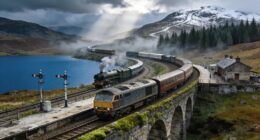
After an 18-month closure that dragged on thanks to weather delays, finicky river bridges, and—surprise—a World War I bunker that nobody saw coming, direct trains between Vienna and Bratislava are finally back. The line reopened October 11, 2025. Travel time now sits at 56 minutes between the two capitals, which is 11 minutes faster than before. Not bad for a route that cost €14.5 million on the Slovak side alone.
The Austrian section? Done years ago. Electrification wrapped in 2022, a second track arrived in 2023. Their 37-kilometer stretch became Austria’s longest straight track, letting trains hit 200 km/h.
Slovakia, meanwhile, wrestled with just 2.4 kilometers of reconstruction and electrification. Weather happened. Bridge repairs happened. Then an archaeological dig happened because someone found a WWI bunker. Seven months late.
The EU chipped in €12 million for Slovakia’s work, part of the Baltic–Adriatic TEN-T corridor linking Gdansk to Trieste. This 66-kilometer line matters for daily commuters and tourists who’d rather not deal with buses.
During the closure, travelers could take the REX6 through Bratislava-Petrzalka for €17.60 and 59 minutes, then grab a taxi for another €11 and nine minutes to reach the actual city center.
Buses cost €4.90 to €15 but take 90 minutes. The new direct service runs hourly from 04:49 to 23:49 in Bratislava, 05:14 to 00:14 in Vienna. Both ÖBB and RegioJet operators provide comfortable, modern trains on this route. Modern Vectron electric locomotives haul air-conditioned ZSSK and ÖBB carriages. No reservations needed.
Tickets run €11 one-way. Kids under six ride free, under 15 pay €5. Round trips cost €18 to €18.50, depending on which railway you buy from. The Bratislava Ticket gets you a three-day return plus free city transit for €18.
Vienna Special offers 16 days if bought at the station, same day if online. Weekly and monthly passes drop the daily return to around €7.20. Trains feature bicycle spaces in the end car for cyclists traveling between the capitals.
The line’s now double-tracked and fully electrified on both sides. Slovakia caps speeds at 80–120 km/h. Austria lets trains rip. The route is integrated into the Bratislava Integrated Transport System. Fast enough.