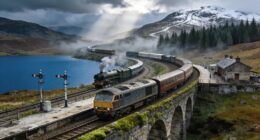
Sicily’s Hydrogen Trains
Sicily’s getting hydrogen trains. Two of them, to be exact. Stadler just signed a contract with Ferrovia Circumetnea to deliver narrow-gauge hydrogen-powered units that’ll run through Mount Etna‘s volcanic terrain. Regular electrification? Apparently too much to ask for in an active volcano zone.
The problem is pretty straightforward. The Circumetnea rail line snakes through Mount Etna with steep gradients and routes that are difficult—or downright impractical—to electrify. Stringing overhead wires across volcanic terrain sounds expensive and invasive, so hydrogen it is.
Each trainset consists of two passenger coaches plus a central power module stuffed with fuel cells and hydrogen tanks. They’re low-floor designs, which means easier access for passengers with mobility issues. Each unit can carry 147 people and hit speeds up to 160 km/h. Not bad for a narrow-gauge train built to tackle hills, though whether that top speed matters much on these winding routes is another question.
Stadler’s designing and building these at their Swiss headquarters. The contract includes five years of service and spare parts support, plus an option for more units if Sicily decides hydrogen is the future. With this order, Stadler’s narrow-gauge hydrogen fleet for Italy climbs to 19 units total.
These trains are based on Stadler’s FLIRT H2 model, part of a modular platform that’s been deployed in 24 countries. The FLIRT series comes in electric, battery, diesel, hydrogen, or hybrid configurations—flexible, in other words. The largest FLIRT setups can hold up to 767 seats, but Sicily’s units are sized for regional needs.
The goal here is decarbonization. Hydrogen trains offer emission-free operations on non-electrified tracks, which aligns with Italian and EU green technology objectives. They’re supposed to reduce local air pollution, especially in protected natural areas like Mount Etna. Sicily gets to ditch diesel without tearing up the landscape for electrification infrastructure. That said, the success of this approach depends heavily on how the hydrogen itself is sourced.
FCE will operate the trains on Sicilian narrow-gauge routes where conventional electrification is unfeasible. The project is expected to serve as a demonstration case for wider hydrogen train adoption in Italy. Whether that happens depends on how well these two units perform on Sicily’s challenging terrain. Maurizio Oberti emphasized the project’s role in regional sustainable rail transport, marking a significant step for the area’s green technology development. Stadler kept the trains under 11 tonnes per axle to ensure safe operation on the line’s light infrastructure.