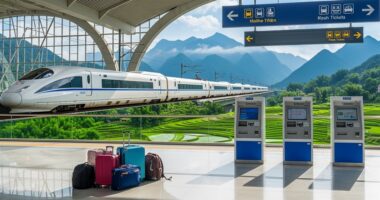
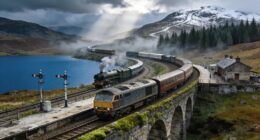
Train travel isn’t rocket science, but beginners make predictable mistakes. Book early for cheaper fares and better seats—procrastinators pay premium prices. High-speed trains require reservations while regional routes often don’t. Arrive 15-30 minutes early to find your platform without the frantic sprint through stations. Bring valid ID for cross-border trips and pack within luggage restrictions. Most trains offer Wi-Fi, food service, and power outlets. The basics matter more than travelers realize.

While most people assume train travel is complicated, it’s actually pretty straightforward once you know the basics. The secret? Book early. Advance purchases mean cheaper fares and better seat availability. Transformative concept, right?
Train companies offer multiple ticket classes—first class, business, and standard—each with different perks. Electronic tickets work through mobile apps now, so you can skip the paper hassle. Some tickets even allow changes or refunds, though that depends on what type you buy. Flexibility costs extra, naturally.
Modern train booking has gone digital—mobile tickets replace paper while flexible fares cost more but offer peace of mind.
High-speed trains require seat reservations. Regional trains might use open seating or assign spots by class. Schedules appear to run on fixed timetables or flexible windows, depending on the route. Major rail networks publish everything online through official apps. That said, some routes need transfers between trains, which means navigating multiple platforms in sprawling stations. Rural stations can present language barriers, but staff usually help out.
Smart travelers arrive 15-30 minutes early to find their platform without panic. Onboard staff check tickets and provide assistance during trips. Luggage restrictions vary—most trains allow carry-ons plus checked bags on longer journeys. Valid ID is often required, especially for cross-border travel.
Many intercity and high-speed trains offer free Wi-Fi, though connectivity can still be spotty. Food service ranges from snack carts to full dining cars. Premium classes get ample legroom, reclining seats, and large windows.
Standard amenities include restrooms, accessible seating, and power outlets. You can move freely throughout most cars, except premium or quiet zones. Most trains feature no middle seats, providing more comfortable seating arrangements compared to airline travel.
High-speed trains connect major cities at speeds exceeding 300 km/h in Europe and Asia. The advanced Fuxing Hao trains reach impressive speeds of up to 350 km/h on popular routes like Shanghai to Beijing. Regional trains serve local routes with frequent stops and fewer amenities. Tourist trains feature panoramic windows and commentary on scenic routes.
Even so, sleeper trains may be your best bet for overnight travel, offering private cabins or shared berths. Notable routes include Amtrak’s California Zephyr, Europe’s Glacier Express, and Japan’s Shinkansen. Bringing snacks or entertainment for longer journeys helps pass the time more comfortably.
Early bookings, rail passes, and special deals provide significant savings on long-distance or multi-trip travel. On top of that, regional passes offer additional value for frequent travelers within specific areas.
Did You Know
Can I Bring My Own Food and Drinks on the Train?
Yes, passengers can bring their own food and drinks on Amtrak trains.
Non-alcoholic items are allowed in all seat classes, but must be consumed at ticketed seats only.
Alcoholic beverages? Only sleeper car passengers get that privilege, and only in their private rooms.
Staff won’t heat or refrigerate anything – health regulations, apparently.
Pack shelf-stable snacks and forget about using cafe areas for personal food consumption.
What Happens if I Miss My Train Departure?
Missing a train departure typically means forfeiting the ticket value. Most reserved tickets become worthless once that train leaves the station.
Passengers should immediately approach a service desk for rebooking options, though they’ll likely pay additional fees.
Unreserved services offer more flexibility if space exists. Some international or air-rail tickets provide a 72-hour grace period for rebooking.
Are There Power Outlets Available for Charging Devices During the Journey?
Most long-distance and high-speed trains come equipped with power outlets at every seat.
Regional trains? Hit or miss. First-class passengers get the royal treatment with guaranteed outlets, while second-class riders often play outlet roulette on older trains.
Newer rolling stock is finally catching up. Outlets hide below seats or between seat pairs. Shared outlets mean awkward negotiations with strangers over charging privileges.
Can I Change My Seat After Boarding the Train?
Passengers can request seat changes after boarding, but it’s not guaranteed. Availability matters most.
Conductors have final say on moves between cars or classes. Some trains operate first-come, first-served in unreserved sections.
Japanese railways? Forget it—changes after gate entry require official adjustment.
Reserved seats stay reserved for their ticket holders. Peak times make changes nearly impossible.
Empty seat doesn’t mean free seat.
What Should I Do if I Lose My Train Ticket?
When someone loses their train ticket, they need to immediately notify train staff and buy a replacement ticket for the same route.
They should keep all receipts because some companies offer refunds for lost tickets – though it’s not guaranteed. Amtrak charges a $20 processing fee for refund requests.
Many operators like Metra don’t offer refunds at all. Digital tickets reduce this headache entirely.
Parting Shot
Train travel isn’t rocket science. Buy a ticket, show up early, find your seat. Don’t overthink it. Sure, delays happen and the food costs way too much, but that’s life. Most people figure it out just fine without reading lengthy guides. The hardest part? Remembering which direction you’re supposed to be going. Trains have been moving humans around for over a century. They’ll probably manage to get you there too.