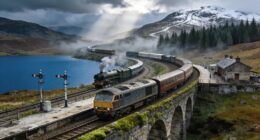
Planning a North American train adventure requires booking early, especially for sleeper cars that vanish faster than free samples at Costco. Amtrak’s 30+ routes and VIA Rail Canada offer everything from 2-3 day cross-country journeys to quick regional hops. Smart travelers snag multi-city stopovers and flexible tickets. Peak seasons mean crowds and higher prices. Routes like the Coast Starlight and Empire Builder showcase serious scenery through panoramic windows. The details matter for maximizing this slow-travel experience.

When most people think about crossing North America, they picture cramped airplane seats and endless highway stretches. But trains? That’s old-school travel with a twist of adventure most folks completely overlook.
Over 30 Amtrak routes crisscross the United States, connecting major cities from New York to Los Angeles. VIA Rail Canada handles the northern territory, linking Vancouver to Montreal with stops that actually matter. The California Zephyr and Empire Builder aren’t just transportation—they’re moving hotels with panoramic windows.
Forget cramped flights—over 30 Amtrak routes transform cross-country travel into rolling adventure with panoramic views and actual legroom.
Here’s the reality check: these journeys take time. Real time. Chicago to San Francisco demands 2-3 days of continuous travel on the California Zephyr. That’s not a bug, it’s a feature—though admittedly, not everyone’s cup of tea.
The Coast Starlight hugs the Pacific coast from Los Angeles to Seattle. Meanwhile, the Empire Builder cuts through Glacier National Park territory. Some routes shine during specific seasons—fall foliage in the Northeast appears especially spectacular, while winter Rocky Mountain views can be breathtaking.
Smart travelers book early. Popular scenic routes sell out weeks ahead during peak seasons, especially sleeper cars. That said, Amtrak and VIA Rail offer multiple fare classes, from basic economy to full sleeper accommodations. The flexible ticketing allows multi-city stopovers, perfect for those who refuse to rush.
The Northeast Corridor operates like clockwork between Boston and Washington, DC, with high-frequency service. Long-distance trains feature dining cars, observation lounges, and sleeping quarters. Regional routes? Basic seating and limited food options, but they run more frequently—which may actually suit some travelers better.
Amtrak’s network covers over 500 destinations across 46 states, extending into Canadian cities. The Superliner equipment on select routes provides bi-level cars with expanded viewing areas. Some trains offer Wi-Fi and power outlets, though connectivity varies by route and is likely to frustrate those expecting reliable internet. Current flash sales can save travelers up to $600 on rail vacations to National Parks and top North American destinations.
Connection services fill gaps where rail lines don’t reach directly. National parks and cultural sites often sit conveniently near major routes, enabling combined adventures. VIA Rail’s Canadian and Ocean routes showcase the country’s natural beauty without the typical tourist trap nonsense—though whether you’ll encounter crowds depends entirely on timing. Many passionate rail travelers recommend researching routes thoroughly before departure to maximize the scenic experience and avoid common pitfalls.
The bottom line: advance planning matters. Timetables vary dramatically by route, and some seasonal trains run infrequently. Even so, for those seeking genuine cross-continental adventure, trains deliver experiences highways simply cannot match. New Orleans stands out as a major hub with the Union Passenger Terminal serving as the gateway to the vibrant city’s music, culture, and cuisine just steps from the French Quarter.
Did You Know
What Luggage Restrictions Apply to Train Travel in North America?
Train travelers get two carry-on bags max, 50 pounds each, plus one personal item.
Four checked bags allowed—two free, two cost twenty bucks each.
Don’t pack firearms, hoverboards, or sharp objects unless you enjoy awkward conversations with security.
Oversized stuff costs extra.
Everything needs name tags because apparently adults lose things like kindergarteners.
Special items like bikes require additional fees and patience.
Can I Bring My Pet on North American Trains?
Yes, but with annoying restrictions.
Amtrak allows dogs and cats under 20 pounds (including carrier) on trips seven hours or less. Pets stay locked in carriers under seats – no first class or sleeper cars allowed.
It costs $26-39, requires advance booking, and many routes ban pets entirely.
Canadian cross-border trains? Forget it. Other North American rail operators have their own rules.
Are Meals Included in Train Ticket Prices?
Depends on your ticket type.
Sleeping car and first-class passengers get all meals included—breakfast, lunch, dinner, even room service and dessert. Lucky them.
Coach passengers? They’re out of luck. No included meals, restricted dining car access, and they’re stuck buying snacks from the café car.
Want kosher or vegan? Better request that 72 hours ahead or you’re eating crackers.
How Early Should I Arrive at the Train Station?
Most Amtrak services recommend arriving 30 minutes early.
Need baggage help or ticketing? Make it an hour.
The Auto Train demands two full hours—no exceptions.
International routes with customs require at least an hour too.
Smaller, unstaffed stations are more forgiving.
Some routes like the Downeaster only need 15 minutes.
Gates can slam shut just three minutes before departure, so don’t push it.
What Happens if My Train Is Delayed or Cancelled?
Amtrak sends notifications through whatever contact info passengers provided at booking.
They’ll use announcements, displays, SMS, and their app.
Trip modifications happen online, by phone, or at stations.
Customer Relations might reach out for rebooking.
Compensation isn’t automatic or legally required—it’s discretionary.
Could be points, vouchers, or refunds.
Unlike Europe, no guaranteed partial refunds for delays.
Parting Shot
Planning a North American train adventure isn’t rocket science. Book early for better prices. Pack light because luggage space sucks on most routes. Expect delays—trains don’t own the tracks, freight companies do. The scenery beats flying, obviously. Food ranges from decent to overpriced garbage, so bring snacks. Wi-Fi exists but don’t count on it working consistently. Bottom line: trains offer a unique travel experience, just manage expectations accordingly.