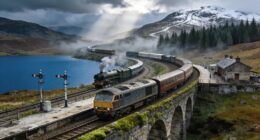
Switzerland’s train network spans 5,200 kilometers with punctuality that puts other countries to shame. Swiss Federal Railways operates most routes, connecting remote villages that buses elsewhere wouldn’t touch. Buy tickets through SBB’s app or stations—Swiss Travel Passes work for unlimited access. Scenic routes like Glacier Express aren’t tourist traps but actual transport with killer views. Trains sync perfectly with buses, boats, and trams because Swiss efficiency is real. The network operates drama-free, making travel seamless for those who know the system.

When it comes to getting around Switzerland, the country’s train network makes everything else look amateur. The Swiss have built something that spans 5,200 kilometers and actually works—which, let’s be honest, is more than most countries can claim. Most trains run under Swiss Federal Railways, though smaller operators like Rhätische Bahn and Matterhorn Gotthard Bahn fill the gaps. These aren’t just city connections either. Trains reach remote villages that most countries would ignore entirely.
The system operates on what they call clock-face scheduling, meaning trains arrive and depart at predictable times. No guessing games here. Zurich to Geneva takes about 2.75 hours, while Zurich to Interlaken runs anywhere from 2 to 3.5 hours depending on whether you go through Bern or Lucerne. Major routes see trains every 15 to 30 minutes, and the punctuality is almost obnoxious—though that may depend on your tolerance for efficiency.
Buying tickets happens through stations, the SBB website, or their mobile app. The SBB Mobile and Fairtiq apps offer check-in, check-out systems that calculate fares automatically, which appears to work better than it sounds. Swiss Travel Passes provide unlimited access to trains, buses, and boats for set periods, plus discounts on mountain railways and museums. Most point-to-point tickets work perfectly for limited travel, though they lock you into specific travel dates. Regional passes exist for specific areas like Berner Oberland, though these may be overkill unless you’re really exploring one region deeply.
The scenic routes deserve mention because they’re genuinely spectacular. The Glacier Express runs from St. Moritz to Zermatt with panoramic windows that frame the Alps like a postcard. The Bernina Express crosses into Italy and holds UNESCO status—and after riding it, you’ll likely understand why. The GoldenPass Line connects Montreux to Lucerne via lakes and mountains. These aren’t tourist traps either. They’re functional transport that happens to be beautiful.
Everything connects, which is where the system really shines. Trains sync with buses, boats, trams, and cable cars. Transfers often happen at the same platform or within short walking distances. On top of that, urban transport integrates seamlessly—train tickets work on city trams and buses in most places. Modern trains feature amenities like Wi-Fi and dining cars on major routes, making longer journeys more comfortable. For travelers needing assistance, many stations offer practical services like luggage storage and bike rentals.
Specific timings matter for planning, so here’s what you’re looking at: Zurich to Lucerne takes 45 to 60 minutes with trains every 30 minutes. Zurich to Basel runs about an hour. Getting to Zermatt requires 3.25 hours from Zurich or 3.75 from Geneva, both involving transfers at Visp. Zurich to Bern takes 1 to 1.5 hours with trains every 20 minutes.
The network simply works without drama, though that might seem surreal if you’re coming from anywhere else.
Did You Know
Can I Bring My Bicycle on Swiss Trains?
Yes, bicycles are allowed on Swiss trains.
Fully assembled bikes need a ticket (capped at 15 CHF daily) and reservations on most InterCity trains.
Pack it in a bag with the front wheel removed? Travels free, no ticket needed.
Just avoid S-Bahn rush hours on weekdays—they’re not having it.
Mountain trains welcome bikes. Overcrowded trains might leave cyclists behind.
Are There Discounts for Seniors or Students on Swiss Train Passes?
Swiss train passes offer zero senior discounts. None.
The Swiss Travel System doesn’t believe in cutting breaks for older folks, citing that seniors there are generally wealthier anyway.
Students and youth aged 16-25 get a solid 30% discount on Swiss Travel Passes though.
Kids 6-15 travel free with the Swiss Family Card when accompanied by parents.
What Happens if My Train Is Delayed or Cancelled?
Swiss trains delayed 60+ minutes get passengers 25% refunds, 120+ minutes earns 50%.
Cancellations work the same way.
There’s a catch though—payouts under 5 CHF don’t happen.
Miss your last connection? SBB covers hotels up to 200 CHF plus breakfast and transport.
File claims within 30 days online or by post.
Pass holders get proportional compensation based on daily value.
Do I Need to Make Seat Reservations for Swiss Trains?
Most Swiss trains don’t require seat reservations.
Regular InterCity and InterRegio routes operate first-come, first-served. Just show up with your ticket and grab a seat.
However, scenic trains like the Glacier Express absolutely demand reservations—no exceptions. International trains usually require them too.
Optional reservations cost CHF 5 for regular trains, but mandatory scenic train reservations run CHF 36-49.
Peak times might warrant booking ahead.
Are Swiss Trains Wheelchair Accessible?
Swiss trains are largely wheelchair accessible, but not universally. Most feature low-floor coaches, ramps, and wheelchair spaces marked with the standard symbol.
Major stations have full accessibility infrastructure. However, some scenic routes like the Gotthard Panorama Express lack complete accessibility.
Smaller stations might need advance notice for assistance.
SBB’s Call Center Handicap handles bookings and information for accessible travel.
Parting Shot
Switzerland’s trains work. They’re punctual, clean, and connect virtually everywhere worth going. The Swiss Travel Pass simplifies ticketing for tourists, though it’s pricey. Locals use half-fare cards because they’re not insane. Regional trains crawl through valleys while express routes zip between cities. Mountain railways cost extra but deliver views that justify the wallet damage. Reserve seats on popular routes unless standing appeals to you. Switzerland’s rail network remains Europe’s most reliable transportation system.