Italy’s train system covers 16,000 kilometers of track, connecting major cities to forgotten villages through operators Trenitalia and Italo. High-speed Frecciarossa trains hit 300 km/h between Rome and Milan, while regional trains crawl through countryside at bargain prices. Seat reservations are mandatory for premium services, but regional tickets just need validation—or expect hefty fines. High-speed trains offer Wi-Fi and dining, though regional services provide basic transport with questionable cleanliness. The complete picture reveals surprising complexities.

Italy’s train system isn’t just transportation—it’s a lifeline threading through over 16,000 kilometers of track that somehow manages to connect everything from bustling metropolises to sleepy hillside villages that tourists forgot existed.
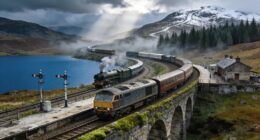
Italy’s railways weave through 16,000 kilometers of track, connecting grand cities to forgotten villages tucked into rolling hills.
Two main operators run this sprawling network: Trenitalia, the state-owned giant with the widest coverage, and Italo, the private company that keeps things competitive on high-speed routes only.
The train hierarchy works like a speed-obsessed caste system, though perhaps that’s being a bit dramatic. Frecciarossa trains hit 300 km/h and only bother with the biggest cities—think Rome, Milan, Florence. They’re fast, premium, and expensive.
Frecciargento mixes high-speed with traditional lines, reaching Venice and southern regions. Then there’s Frecciabianca, which runs on older tracks but still connects major cities across fourteen regions. Intercity trains serve mid-sized cities, while Regional trains stop everywhere. Regional trains crawl along but cost practically nothing.
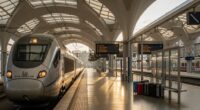
Major stations like Rome Termini and Milano Centrale serve as essential hubs. High-speed routes between Rome and Milan run every fifteen minutes during peak times—that’s more frequent than some city buses.
Ticketing gets tricky fast, and this is where many travelers stumble. High-speed and Intercity trains require seat reservations, period. Regional trains don’t. Dynamic pricing means booking weeks ahead saves money on premium services, but Regional fares stay fixed whether you book now or never.
Physical Regional tickets must be validated before boarding—forget this step and face fines that’ll ruin your day. The Trenitalia website provides convenient advance booking options to secure better fares and guaranteed seats.
The amenities split predictably along class lines, though the gap appears wider than it needs to be. High-speed trains offer Wi-Fi, food service, power outlets, and clean facilities. Economy class on Freccie trains provides comfortable seating with café cars serving espresso, wine, and snacks.
Regional trains provide basic transportation with variable cleanliness and limited services. That said, luggage policies stay relaxed across most trains, with overhead racks and larger storage areas available.
Major stations and high-speed trains accommodate wheelchair users, though accessibility varies on older infrastructure. Punctuality generally holds strong on high-speed routes, while regional and intercity services face more delays.
Children typically receive discounts or free travel, and booking assistance exists for travelers needing special accommodations. A Silver Card provides a 15% discount for seniors aged 60-75 and costs 30 euros annually, though it becomes free for those over 75.
Even so, the system connects central city areas directly, avoiding airport transfers entirely while providing a sustainable travel option through Italy’s diverse landscape.
Did You Know
Can I Bring My Bicycle on Italian Trains?
Yes, but it’s complicated.
Regional trains allow assembled bikes for €3.50 daily (some regions free).
Intercity trains permit bikes with advance booking and supplements.
High-speed trains? Forget it—assembled bikes banned completely.
Folding or disassembled bikes work everywhere if properly bagged within size limits.
The rules vary wildly by train type, making bike transport feel like maneuvering through Italian bureaucracy itself.
Do Trains in Italy Have Wi-Fi Available for Passengers?
High-speed trains like Frecciarossa, Frecciargento, and Italo offer free Wi-Fi.
Regional and Intercity trains? Forget it.
The connection works after departure, requires phone verification, and drops constantly in tunnels. Speed’s decent for browsing but don’t expect miracles.
Signal quality varies wildly due to congestion and weather.
Many travelers just use mobile data instead—it’s often more reliable than the train’s spotty service.
Are There Discounts Available for Students or Seniors on Train Tickets?
Yes, both students and seniors get discounts on Italian train tickets.
Students under 30 can snag up to 70% off with FrecciaYOUNG deals, but they need a CartaFRECCIA membership and must book 11+ days ahead.
Seniors over 60 get reduced prices through Trenitalia Pass options.
Most student discounts are non-refundable, so don’t mess up your travel plans.
What Happens if My Train Is Delayed or Cancelled?
When trains get delayed or cancelled, passengers can claim compensation.
Delays of 60-119 minutes get 25% of ticket price back, while 120+ minute delays earn 50%. Frecce trains offer bonus credits for 30-59 minute delays.
No compensation if the delay was announced before buying tickets. Claims must be filed within 12 months through apps, websites, or ticket offices.
Can I Eat My Own Food on Italian Trains?
Yes, passengers can absolutely eat their own food on Italian trains. It’s officially allowed and widely practiced.
Travelers routinely bring snacks, full meals, and drinks aboard – even wine. Train companies actually encourage using station shops before departure.
The dining car exists, but nobody’s forcing anyone to buy overpriced train food. Just keep it clean and avoid stinky meals out of courtesy.
Parting Shot
Italy’s train system isn’t perfect, but it works. Travelers who plan ahead usually have smooth journeys. Those who don’t? Well, they learn quickly. The country’s rail network connects most destinations worth visiting. Sure, delays happen. Strikes occur. But millions of passengers reach their destinations daily without drama. The trains run, the views are stunning, and getting around Italy by rail remains one of Europe’s better transportation experiences. Most visitors leave impressed.