Traveling by train in Italy is surprisingly manageable, with an extensive network connecting major cities through high-speed Frecciarossa trains hitting 300 km/h and regional routes reaching smaller destinations. Trenitalia and Italo dominate the rails, serving 415 million passengers annually. High-speed trains require reservations and offer WiFi, while regional trains operate on basic, no-reservation systems. Digital ticketing covers 43% of sales, though technical hiccups occasionally disrupt the otherwise reliable service. The complete picture reveals both conveniences and quirks worth understanding.

Every major Italian city connects through an extensive rail network, making getting around surprisingly straightforward. Trenitalia and Italo run the show here. Trenitalia covers way more ground than its flashier competitor, though both seem to work pretty well—which might shock anyone familiar with Italian stereotypes about efficiency.
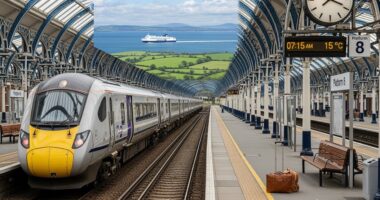
High-speed trains like Frecciarossa blast between major cities at 300 km/h. They’re fast and modern. Seat reservations are required because apparently Italians learned something about crowd control. Italo competes on the same routes, mainly sticking to big cities where the money is. These trains come loaded with WiFi, power sockets, and cafe-bars—basically everything you need to pretend you’re productive while racing through the countryside.
High-speed Italian trains hit 300 km/h with WiFi and cafe-bars—perfect for pretending to work while blasting through scenic countryside.
For everything else, there’s a mixed bag. Intercity trains connect medium-sized cities but move slower and offer fewer amenities. Think of them as the middle child nobody talks about. Regional trains serve smaller towns and cost the least, but you get what you pay for. No reservations, older trains, and the charm of wondering if you’ll actually arrive on time. The eco-conscious approach of Italy’s rail system makes it an environmentally friendly choice for travelers looking to reduce their carbon footprint.
The numbers tell an interesting story. Trenitalia Regionale carried 415 million passengers in 2024, with 45% traveling for tourism and leisure. Digital ticketing hit 43% of single-journey sales. On top of that, contactless payment through Tap&Tap works on key routes. Progress, Italian-style.
Booking tickets appears straightforward enough. High-speed trains require advance booking, and prices climb as departure approaches—no surprises there. Regional and Intercity tickets stay cheaper and don’t need reservations. Automatic machines and online platforms handle most transactions, though the occasional technical hiccup keeps things interesting. Booking opens up to 4 months in advance, giving travelers plenty of time to plan their Italian adventures.
Punctuality varies wildly. High-speed trains generally stick to schedule, while regional trains struggle during rush hours. The government promises improvements with 100 new regional trains arriving in 2025 and over 1,000 by 2027. Whether this fixes the delay problem remains to be seen. The broader modernization effort expects to reach 80% of Trenitalia Regionale’s rolling stock over the next few years.
Even so, the system serves about 200 intermodal routes connecting trains to buses and ships nationwide. Major stations sit in city centers, often linking to local transport. Real-time tracking through official apps may help travelers navigate the inevitable schedule changes that keep Italian train travel adventurous.
Did You Know
Do Italian Trains Have Wi-Fi and Power Outlets for Devices?
High-speed trains like Frecciarossa and Italo have Wi-Fi and power outlets, though the internet connection is frankly terrible.
Expect frequent drops in tunnels and slow speeds that’ll test your patience.
Regional trains? Forget it—no Wi-Fi at all. Power outlets are standard on modern high-speed trains but hit-or-miss on older regional ones.
Your mobile data will probably work better than their Wi-Fi anyway.
Can I Bring Luggage on Trains Without Additional Fees?
Yes, passengers can bring luggage on Italian trains without additional fees.
Regional trains have no restrictions whatsoever.
High-speed Frecce trains allow two free bags per person with size limits, though exceeding those limits triggers a €50 fine.
Italo trains offer completely free luggage for all classes.
The catch? Passengers handle everything themselves—no staff assistance, no checked baggage service.
Are Train Tickets Cheaper if Booked in Advance?
Yes, but only for high-speed and intercity trains.
Regional trains? Fixed prices, no matter when you book.
High-speed routes offer discounts up to 75% off base fares when booked early.
Rome-Florence drops from €55 to €19.90 with advance Super Economy fares.
The catch? These cheap tickets are non-refundable and non-changeable.
Book 2-6 months ahead for maximum savings.
Do I Need to Validate My Ticket Before Boarding?
It depends on the ticket type.
Paper regional train tickets without specific times need validation using yellow or green machines at stations—or face fines.
Online regional tickets require digital check-in through the Trenitalia app.
High-speed trains like Frecce and Intercity don’t need validation since they’re tied to specific departure times.
Basically, if there’s no reserved seat, validate it.
Are Italian Trains Accessible for Passengers With Disabilities?
Italian trains offer decent accessibility, but it’s a mixed bag.
High-speed trains have wheelchair spaces and accessible toilets. Fourteen Sala Blu centers provide assistance across 270 stations – not exactly comprehensive coverage.
Regional trains? Hit or miss. Some lack accessible features entirely. Booking assistance requires advance notice, so spontaneous trips are tough.
Urban stations are generally equipped, but rural areas get the short end of the stick.
Parting Shot
Train travel in Italy proves surprisingly manageable for most travelers. The system connects major cities efficiently, though rural areas remain trickier. High-speed trains work well between Rome, Milan, and Florence. Regional services? Hit or miss. Booking online saves hassles, but station ticket machines suffice too. Delays happen—this is Italy, after all. The infrastructure beats driving through chaotic Italian traffic. Bottom line: trains offer a decent way to see the country without losing your sanity completely.