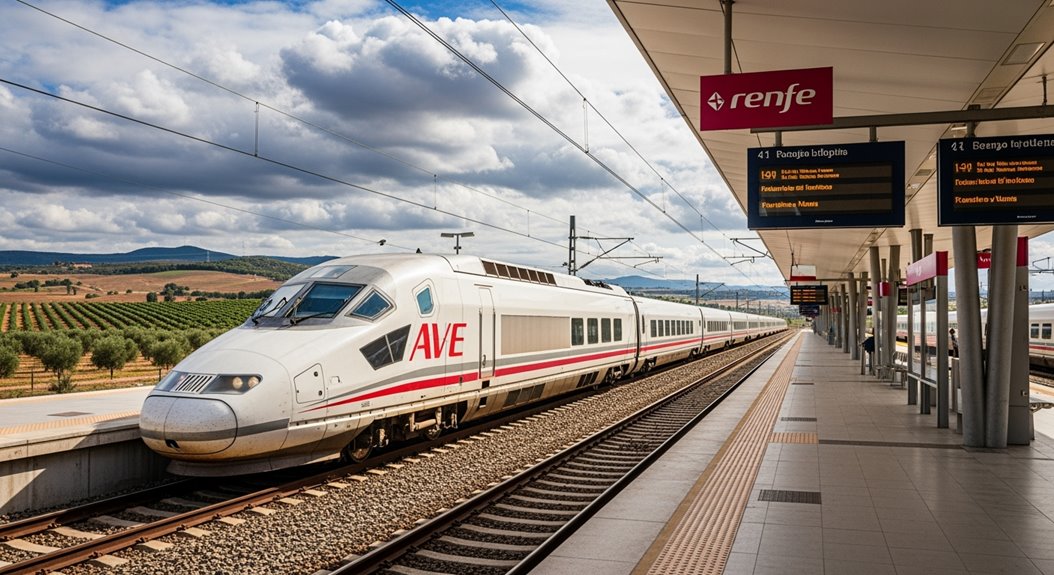

Spain’s high-speed rail network is the world’s second-largest, stretching over 3,200 kilometers with AVE trains hitting 310 km/h. Renfe operates most routes, offering three ticket classes from budget Turista to premium Preferente. Book early for dynamic pricing savings, arrive 20-30 minutes before departure, and enjoy Wi-Fi plus power outlets onboard. Major hubs include Madrid’s Atocha station and Barcelona Sants. The system connects major cities efficiently, though it rarely gets the recognition it deserves compared to flashier international counterparts.

While most travelers think of Spain and immediately picture cramped buses or pricey flights, the country has quietly built something that might surprise you: the world’s second-largest high-speed rail network. Over 3,200 kilometers of gleaming tracks now crisscross the peninsula. Spain’s train system appears surprisingly competitive, though it doesn’t always get the attention it deserves.
Renfe runs most of the show, even if competition has started creeping in. Their flagship AVE trains hit 310 km/h, connecting major cities like Madrid, Barcelona, Seville, and Valencia with impressive speed. That Madrid-Barcelona route? Just 2.5 hours—try beating that sitting in traffic or dealing with airport security. The original Madrid-Seville line opened back in 1992, suggesting Spain was serious about high-speed rail long before it became the trendy thing to do.
Spain built Europe’s most underrated rail network while everyone was looking the other way.
The train hierarchy is fairly straightforward, though it can feel overwhelming at first. AVE handles the premium routes between big cities. Avant covers medium-distance high-speed connections like Madrid-Toledo. Alvia trains mix high-speed and conventional tracks for cities that don’t have dedicated AVE routes yet. Media Distancia serves regional routes, while Cercanías handles the daily commuter grind in metropolitan areas. Budget-conscious travelers can also choose from low-cost alternatives like Avlo, Ouigo, and iryo for significant savings.
Three ticket classes exist: Turista for basic travel, Turista Plus with extra legroom that’s actually noticeable, and Preferente with first-class perks including weekday meals. Dynamic pricing means booking early saves money—and I mean significantly. The Renfe Spain Pass offers flexible travel for non-residents, though most people seem to just buy individual tickets online without much fuss.
The onboard experience likely beats flying for shorter routes. Wi-Fi works most of the time, power outlets exist at every seat, and luggage restrictions are refreshingly reasonable. Security is minimal—you’ll want to arrive 20-30 minutes early, not two grueling hours. Punctuality rates may rival Switzerland’s reputation, though maintenance delays do occasionally throw a wrench in things.
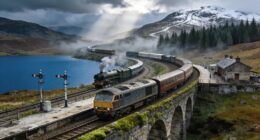
Beyond practical transport, Spain offers some genuinely luxurious options. The Transcantábrico tours northern Spain in considerable style, while Al Andalus covers Andalusian highlights for those with deeper pockets. Even so, regular trains cross incredibly diverse landscapes from the Basque Country down to Andalusia, often featuring panoramic windows that make the journey part of the experience. The recent Granada-Antequera line has now connected Granada directly with Madrid and Barcelona, opening up easier access to this historic Andalusian city.
Major hubs include Madrid’s Puerta de Atocha and Chamartín stations, Barcelona Sants, and Seville’s Santa Justa. International routes now reach Lyon and Marseille, gradually expanding Spain’s rail reach beyond its borders—though this expansion appears still in its early stages. These cross-border connections operate through collaboration between RENFE and French rail operators, making travel between Spain and France increasingly seamless.
Children under four typically ride free, with various discounts available for seniors and youth. All major stations offer modern amenities, and the entire network remains non-smoking. Spain’s rail transformation happened quietly, almost under the radar, but it’s been remarkably effective.
Did You Know
Can I Bring My Bicycle on Spanish Trains?
Yes, but it’s complicated. Non-folding bikes are allowed on commuter and regional trains—up to three per train, first-come basis.
High-speed trains? Forget it. The bike needs dismantling, packing into a case, pedals removed.
Folding bikes work everywhere if they’re actually folded.
Metro systems have their own quirky rules.
Electric bikes, tandems, cargo bikes? Mostly banned.
Spain’s train system apparently has commitment issues with cyclists.
Are There Sleeping Cars Available on Overnight Trains?
Yes, Spanish overnight trains offer sleeping cars with various accommodation levels.
Trenhotel trains provide everything from basic 4-bed compartments to deluxe private rooms with showers and meals included.
Estrella night trains offer budget-friendly 6-person couchettes.
All sleeping cars are air-conditioned.
Advance reservations are essential since availability is limited, and rail pass holders typically pay extra supplements for sleeping accommodations.
Do Spanish Trains Have Wifi and Power Outlets?
Yes, but it depends on the train.
High-speed trains like AVE, Avlo, Ouigo, and Iryo offer both free Wi-Fi and power outlets at seats.
Most regional and Intercity trains? Forget it.
The Wi-Fi, called PlayRenfe, blocks Netflix but allows YouTube—because that makes total sense.
Download speeds hit around 27 Mbps, which beats mobile networks.
Just don’t expect connection in tunnels.
What’s the Luggage Weight Limit for Train Travel?
Spanish train luggage weight limits depend on which service travelers choose.
Renfe and AVE allow up to 25 kg total across all bags.
Avlo takes a different approach—no weight limits for their included hand luggage and cabin suitcase.
OUIGO and iryo also skip weight restrictions for standard allowances.
Basically, budget operators ditched weight limits but got stricter about size dimensions instead.
Can I Cancel or Change My Train Ticket After Booking?
Yes, most train tickets can be cancelled or changed, but it’ll cost you.
Premium tickets offer free cancellation up to 7 days out. After that? Fees kick in.
Básico and OUIGO tickets are basically non-refundable unless the train company screws up.
You can change dates and times once, but forget about switching departure stations. The closer to departure, the more painful the penalties become.
Parting Shot
Spain’s train system works. Period. Travelers get where they need to go, mostly on time, with decent comfort levels. The high-speed AVE impresses tourists, while regional trains handle the grunt work. Booking online saves hassle. Station food costs too much, but that’s Europe for you. Pack snacks, download entertainment, charge devices beforehand. Spanish trains aren’t perfect, but they beat driving through Madrid traffic any day of the week.