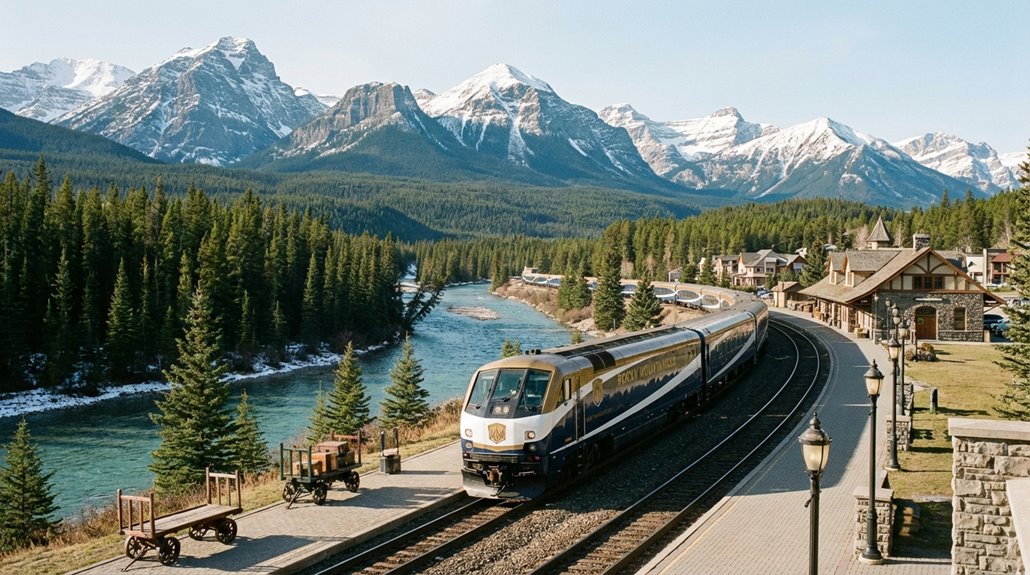

Traveling across Canada by train is one of the most memorable long-distance rail journeys in North America. For most travelers, that means riding VIA Rail’s The Canadian, the iconic passenger train that connects Toronto and Vancouver over several days and nights.
This guide explains what to expect from the trip, how long it takes, which class to choose, how much it can cost, and how to plan your journey. Whether you want a budget-friendly seat or a private sleeper cabin, here is what you need to know before booking train travel across Canada.
What Is the Best Way to Travel Across Canada by Train?
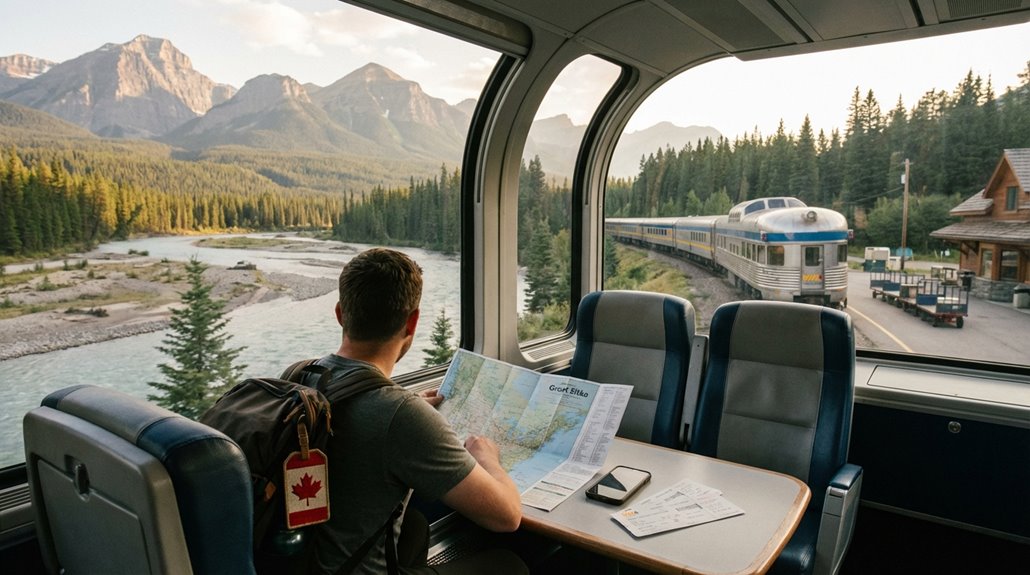
The best-known way to travel across Canada by train is on The Canadian, VIA Rail’s flagship long-distance service between Toronto and Vancouver. It is the closest thing Canada has to a classic transcontinental passenger rail experience.
This route is popular because it combines practical transportation with panoramic scenery. Along the way, the train crosses major stretches of Ontario, the Prairies, and the Rockies, giving passengers a slower and more immersive way to see the country than flying.
For travelers comparing rail options, The Canadian is best for people who want an overnight cross-Canada train journey. It is very different from private luxury sightseeing trains that focus mainly on daytime views and hotel-based overnights.
The Canadian by VIA Rail: Route, Duration, and What to Expect
The Canadian runs between Toronto and Vancouver, covering a long transcontinental route through central and western Canada. The full journey usually takes about four nights and roughly 86 to 94 hours, depending on the schedule and operating conditions.
Major stops commonly associated with the route include:
- Toronto
- Sudbury Junction
- Winnipeg
- Edmonton
- Jasper
- Vancouver
The appeal of the trip is not only the destination, but the changing landscapes along the way. Passengers can expect to see:
- Forests and lakes in Ontario
- Wide-open prairie scenery in Manitoba and Saskatchewan
- Mountain views in Alberta and British Columbia
- Dramatic approaches into western Canada near Vancouver
On board, the experience is designed for long-distance travel. Depending on class, passengers may have access to reclining seats, sleeping accommodations, dining service, and observation areas.
VIA Rail Classes on The Canadian: Economy, Sleeper, and Prestige Explained
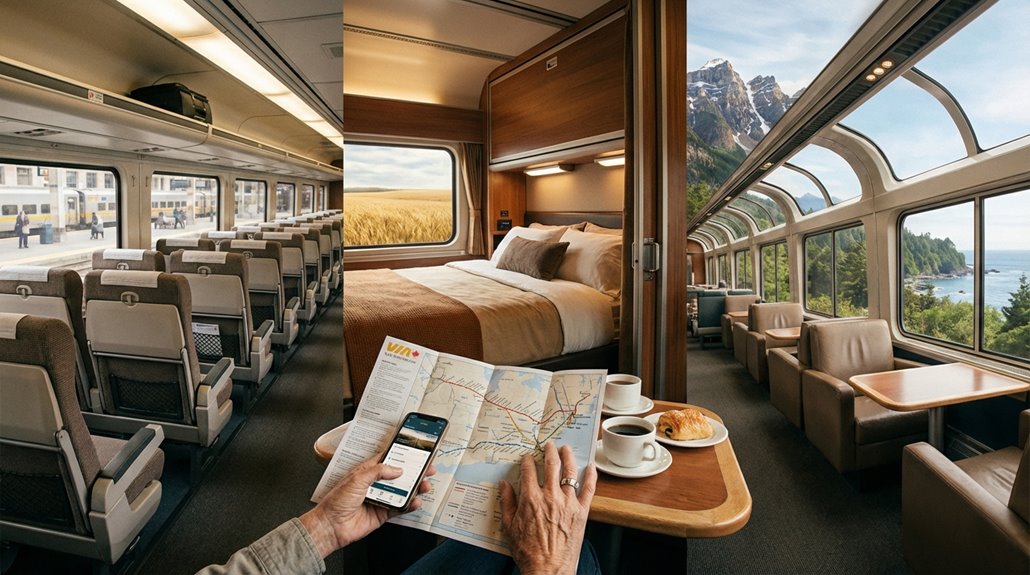
One of the most important booking decisions is choosing the right class. The best option depends on your budget, comfort expectations, and how you want to experience a multi-day train trip across Canada.
Economy Class
Economy is the most affordable way to ride The Canadian. It is best suited to travelers who want the experience of crossing Canada by train without paying for a sleeper cabin.
Economy usually offers:
- A reclining seat
- Shared washroom access
- Basic onboard seating for the full journey
This option works best for budget-conscious travelers, but it is a much less private and less restful experience on a multi-night route.
Sleeper Plus
Sleeper Plus is the most practical choice for many travelers taking the full Toronto-to-Vancouver journey. It offers a more comfortable overnight experience and a better balance between price and convenience.
Sleeper Plus is typically the better fit if you want:
- A private or semi-private cabin
- Sleeping accommodations for multiple nights
- Included meals
- More comfort and privacy than Economy
For most people planning to travel across Canada by train, Sleeper Plus is the class that makes the trip feel like a true long-distance rail vacation rather than just transportation.
Prestige Class
Prestige is the premium option on The Canadian. It is designed for travelers who want a more luxurious transcontinental train experience.
Prestige generally offers the highest level of comfort, with features such as:
- A larger private suite
- Premium service
- More spacious accommodations
- An upgraded onboard experience
If your priority is comfort, privacy, and a luxury train journey across Canada, Prestige is the top-tier choice.
How Much Does It Cost to Travel Across Canada by Train?
The cost of traveling across Canada by train can vary significantly depending on:
- Travel dates
- Demand
- Cabin availability
- Route length
- Class of service
In general:
- Economy is the lowest-cost option
- Sleeper Plus sits in the middle and is often the best value for multi-night travel
- Prestige is the most expensive option
Fares for The Canadian can range from a few hundred dollars for an Economy seat to several thousand dollars for premium sleeper accommodation. Travelers who want the best prices should usually book well in advance, especially for peak travel periods.
If your goal is to take the full Toronto-to-Vancouver train journey, expect cost and availability to change based on season and how early you book.
VIA Rail vs Rocky Mountaineer: What Is the Difference?
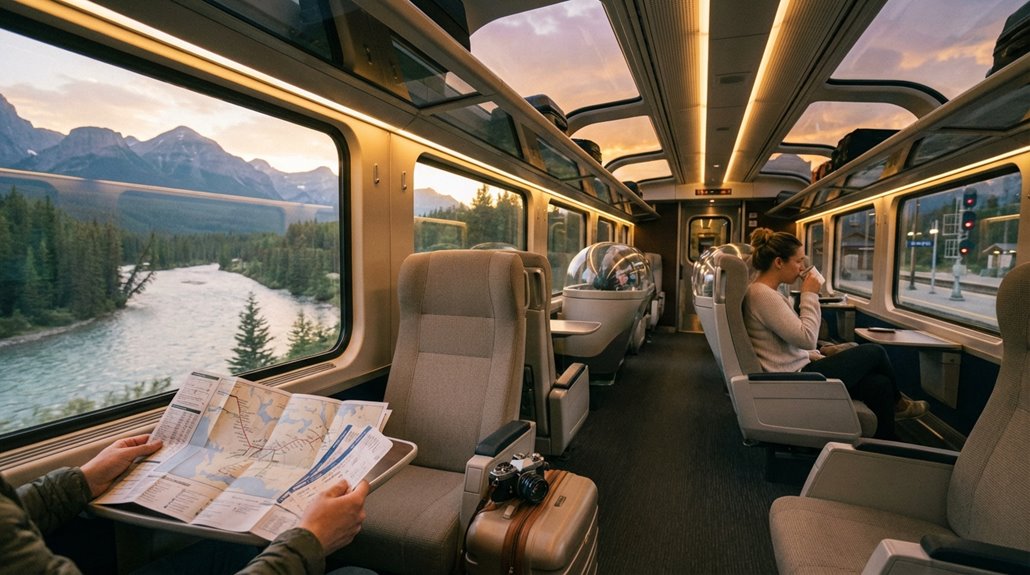
Many travelers compare VIA Rail’s The Canadian with Rocky Mountaineer, but they serve different purposes.
The Canadian by VIA Rail
- Long-distance passenger train
- Designed for overnight rail travel
- Runs as a true cross-Canada journey
- Better for travelers who want transportation and scenery together
Rocky Mountaineer
- Luxury sightseeing experience
- Focused on daytime scenic travel
- More tourism-oriented than transport-oriented
- Better for travelers prioritizing curated sightseeing over a full transcontinental train trip
The simplest distinction is this:
If you want to travel across Canada by train, The Canadian is the clearer fit. If you want a premium scenic rail vacation focused more narrowly on western landscapes, Rocky Mountaineer may be the better match.
Best Scenic Highlights from Toronto to Vancouver by Train
One reason this route is so iconic is the variety of scenery. The landscape changes dramatically over the course of the trip, which is part of what makes train travel across Canada so memorable.
Ontario
The early part of the route features forests, lakes, and rocky terrain. This section feels quieter and more remote than many first-time travelers expect.
Winnipeg and the Prairies
As the journey continues west, the scenery opens into the Prairies. This part of the trip has a very different rhythm, with expansive skies and long uninterrupted stretches of landscape.
Jasper and the Rockies
For many travelers, the mountain section is the visual highlight of the journey. The approach through Alberta and British Columbia brings some of the most dramatic views on the route.
Fraser Canyon and the Approach to Vancouver
The western stretch into British Columbia offers another dramatic change in landscape, ending with the final approach toward Vancouver.
If you are taking The Canadian for the scenery, the route is strongest as a complete experience rather than a single highlight reel. The value comes from watching the country unfold gradually over several days.
How to Plan and Book Your Cross-Country VIA Rail Journey
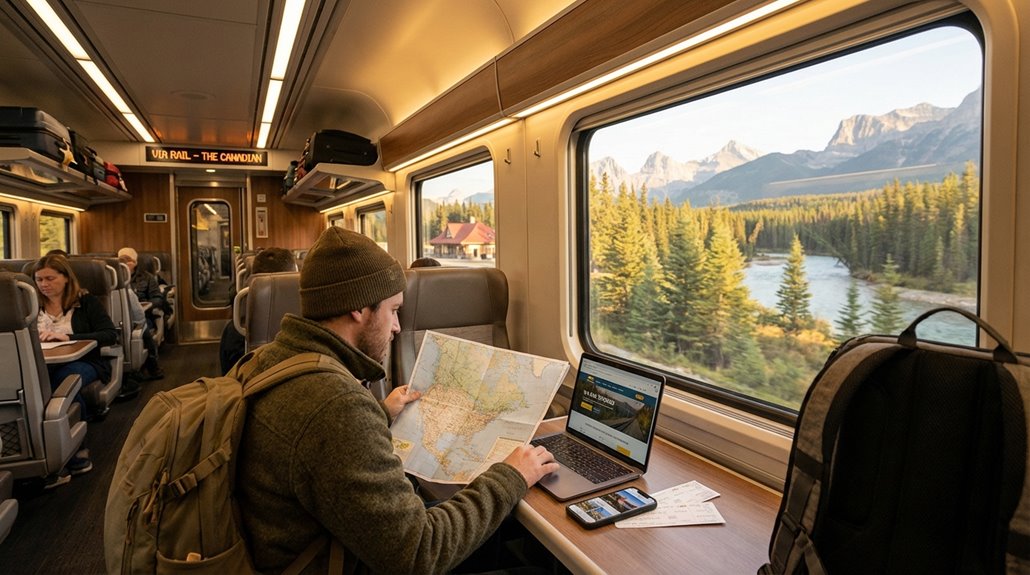
Booking a long-distance train across Canada is easier when you plan around a few core decisions.
1. Decide how much of the route you want to take
Some travelers book the full Toronto-to-Vancouver journey, while others choose only part of the route.
2. Choose your class early
If you want Sleeper Plus or Prestige, it is usually best to book as early as possible. Premium cabins are limited and can sell out well before departure.
3. Compare dates and fare options
Prices can vary widely depending on season and demand. Flexible dates can help you find better value.
4. Think about stopovers
Some travelers prefer to break up the journey with time in places like Winnipeg or Jasper rather than staying on board the entire route.
5. Review baggage and onboard policies before departure
For a multi-night train trip, baggage rules matter more than they do on shorter rail journeys. Check the current policy before traveling and pack with the length of the journey in mind.
6. Prepare for limited connectivity
Long-distance rail travel across Canada is not the same as corridor rail travel. Onboard connectivity may be limited, so plan accordingly.
Check the booking window—mid‑January to early September—to secure VIA Rail tickets with discount codes and ID.
Luggage, Wi-Fi, Pets, and Other Practical Tips
A practical travel guide should answer the questions people actually have before departure.
Is there Wi-Fi on The Canadian?
Onboard Wi-Fi availability on long-distance routes can be limited. Travelers should not assume they will have continuous internet access throughout the full journey.
What luggage should you bring?
Pack for several days on board and review the latest baggage rules before departure. A smaller bag for easy access during the trip can be especially useful if the rest of your luggage is stored separately.
Can you bring pets?
Pet rules can vary by route and service type. Check VIA Rail’s current pet policy before booking if this matters for your trip.
Do you need travel documents?
Travel document requirements depend on your nationality and travel circumstances. Travelers entering Canada should confirm the latest entry requirements before departure.
Can you upgrade after booking?
Upgrade options may depend on availability and fare rules. If you expect to want more comfort, it is usually smarter to book the right class from the start rather than relying on a later upgrade.
Is Traveling Across Canada by Train Worth It?
That depends on what kind of trip you want.
If your priority is reaching Vancouver or Toronto as quickly as possible, flying will be faster. But if your goal is to experience the scale of Canada, enjoy the scenery, and turn the journey itself into part of the trip, train travel offers something flying cannot.
The Canadian is best for travelers who want:
- A classic long-distance rail experience
- Scenic travel across multiple regions of Canada
- Time to slow down and enjoy the route
- A sleeper train journey rather than a quick transfer between cities
For many people, that tradeoff is exactly what makes the trip worthwhile.
Frequently Asked Questions
How long does it take to travel across Canada by train?
The full Toronto-to-Vancouver trip on The Canadian usually takes about four nights and roughly 86 to 94 hours.
What is the best train for traveling across Canada?
For most travelers, VIA Rail’s The Canadian is the best-known and most relevant option for traveling across Canada by train.
What is the difference between Economy, Sleeper Plus, and Prestige?
Economy is the lowest-cost option, Sleeper Plus offers a more comfortable cabin-based overnight experience, and Prestige is the premium luxury tier.
Is The Canadian a sleeper train?
Yes. The Canadian is a long-distance train with sleeper accommodations available in higher service classes.
Can you go from Toronto to Vancouver by train?
Yes. VIA Rail’s The Canadian connects Toronto and Vancouver as one of Canada’s best-known long-distance passenger rail routes.
Conclusion
If you want to travel across Canada by train, VIA Rail’s The Canadian is the journey most people are looking for. It links Toronto and Vancouver on a multi-day route that combines transportation, scenery, and the experience of seeing Canada at ground level.
The key decisions are straightforward: choose the route length you want, decide between Economy, Sleeper Plus, and Prestige, and book early if you want the best chance at good fares and cabin availability.
For travelers who value the journey as much as the destination, The Canadian remains one of the most memorable ways to cross Canada.