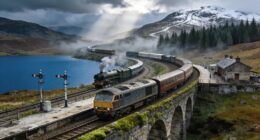
Why Iconic Train Routes in Popular Culture Feature the Hogwarts Express Glenfinnan Viaduct So Memorably
Iconic train routes in popular culture 2 explores why the Glenfinnan Viaduct became cinema’s most recognizable railway crossing after its 2001 film debut.
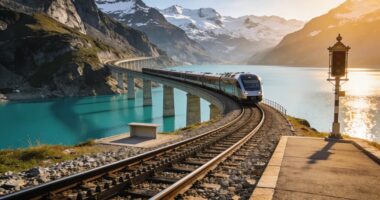
European Train Travel: How to Ride the Most Scenic Railways Across the Continent
European scenic train routes guide covering the continent’s most dramatic railways—Swiss viaducts, Norwegian fjords, and Alpine passes with planning tips.
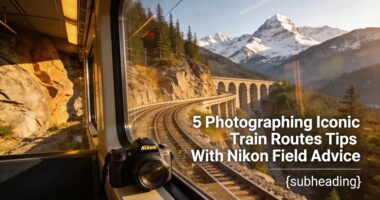
5 Photographing Iconic Train Routes Tips With Nikon Field Advice
Photographing iconic train routes tips from Nikon field advice—mirrorless systems, 1/1500s shutter speeds, and wide-angle lenses for alpine viaduct shots.
5 Safety Measures on European Trains Including Emergency Communication Systems
Safety measures on European trains include emergency intercoms, CCTV surveillance, and panic buttons connecting passengers to operators within 3 seconds.
3 What to Wear for European Train Journey Tips for Layered Clothing Systems
What to wear for European train journey comfort starts with layered clothing—merino wool base layers handle the temperature swings across DB, SNCF, and SBB.
7 Europe Air Travel Vs Train Factors for the Madrid to Seville Route
Europe air travel vs train on Madrid to Seville shows Renfe AVE wins in 7 key factors—2.5-hour journeys, city-centre stations, and lower CO2 emissions.
What Busiest Season for Train Travel Europe Shows About the July-August Peak
Busiest season for train travel Europe peaks in July–August when passenger volumes surge 40–60% and discount fares vanish on Eurostar and Thalys routes.
Why When to Arrive at European Train Stations Depends on International Departures
When to arrive at European train stations depends on international departures—Eurostar gates close 30 minutes before, with summer queues reaching 60 min.