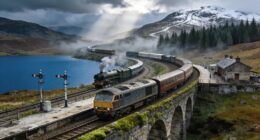
What Start of Train Season in Europe Means for Spring Timetable Change
Spring timetable change: triggers a six-month service cycle across European rail networks. The annual shift launches new routes, reopens mountain passes, and expands booking availability for travelers.
European rail operators release updated schedules in mid-December each year. Deutsche Bahn, SNCF, and Trenitalia coordinate their timetables simultaneously. Alpine routes closed since November reopen by late April. Weather determines exact dates for high-elevation lines.
- ÖBB Nightjet: launches new overnight connections between major European capitals during spring season
- Glacier Express: resumes scenic Swiss Alpine service after winter maintenance period
- Eurostar: expands cross-border frequency between London St Pancras and continental destinations
Booking windows open 180 days before departure. SBB and Swiss Travel System release summer tickets first. Rail Europe and Trainline aggregate schedules from multiple carriers. Seat61 provides independent guidance on complex international routes.
Regional operators adjust local services too. Rhaetian Railway increases Bernina Express departures. Renfe adds AVE high-speed trains on Spanish coastal routes. NS International connects Amsterdam to seasonal beach destinations.
The spring change affects reservations on TGV, ICE, and Frecciarossa services. Travelers should book popular routes early. Interrail and Eurail passes see peak demand during this period.
Fun Activity To Try: Book a window seat on the newly reopened Bernina Express and photograph the Landwasser Viaduct as the train crosses this UNESCO World Heritage route through the Swiss Alps.
Key Points
- The major Europe-wide timetable change occurs in December, not spring; March adjustments are typically local operator-specific tweaks.
- Spring schedule releases trigger booking availability for summer travel, with tickets often available approximately 180 days in advance.
- Seasonal cross-border services and overnight trains launch in spring, operating roughly from April through October.
- Alpine scenic routes like Glacier Express reopen in late April or early May, depending on snowpack and environmental conditions.
- Promotional fares are released with spring schedules and rise quickly, so early booking secures the lowest prices.
The Second Sunday of March Marks When Spring Schedule Transition Begins Across Europe

Every year, travelers across Europe catch wind of some supposed “spring timetable change” kicking in on the second Sunday of March. Here’s the thing, though—it doesn’t really exist.
Not in any meaningful way. The actual timetable change dates? December. Sometimes June.
That’s pretty much it. Whatever March timetable changeover dates you’re hearing about are likely just local operator-specific adjustments, not some grand seasonal restart affecting the whole continent. In the UK, for example, National Rail timetable changes occur twice yearly in May and December, not March. The real continent-wide shift happens when all European railways change timetables at midnight on the second Saturday in December.
March timetable changes are typically just local operator adjustments—not a continent-wide seasonal reset like many travelers assume.
And even so, the daylight saving time shift doesn’t actually happen until late March anyway, which may suggest people are conflating two separate things entirely. For travelers trying to plan around these dates, specialized apps and websites can provide real-time train information and help clarify when actual schedule changes take effect for specific routes.
What Does March Timetable Changeover Launch for the Next Six Months?

Once the March timetable changeover kicks in, it essentially sets the stage for about six months of expanded European rail connectivity—though the exact scope can vary year to year.
The spring schedule transition tends to bring cross-border service additions, seasonal routes, and frequency bumps that stick around until October. For example, the new EuroNight service connecting Basel to Malmö via Hamburg and Copenhagen is scheduled to start April 15, 2026, demonstrating how spring launches can introduce significant overnight route additions. Similarly, the direct TGV Lyria connection from Marseille to Lausanne operates from April until October on Thursdays to Mondays, with daily service during July and August.
That said, the six-month validity window likely means operators need to lock in their capacity patterns pretty early. On top of that, March also appears to trigger when advance booking windows open up, which is when summer travel planning really gets underway for most passengers. Travelers planning longer itineraries during this period may benefit from rail passes like Eurail to maximize flexibility across multiple countries.
Seasonal Route Activation Reopens Alpine Mountain Passes Closed Since Late November
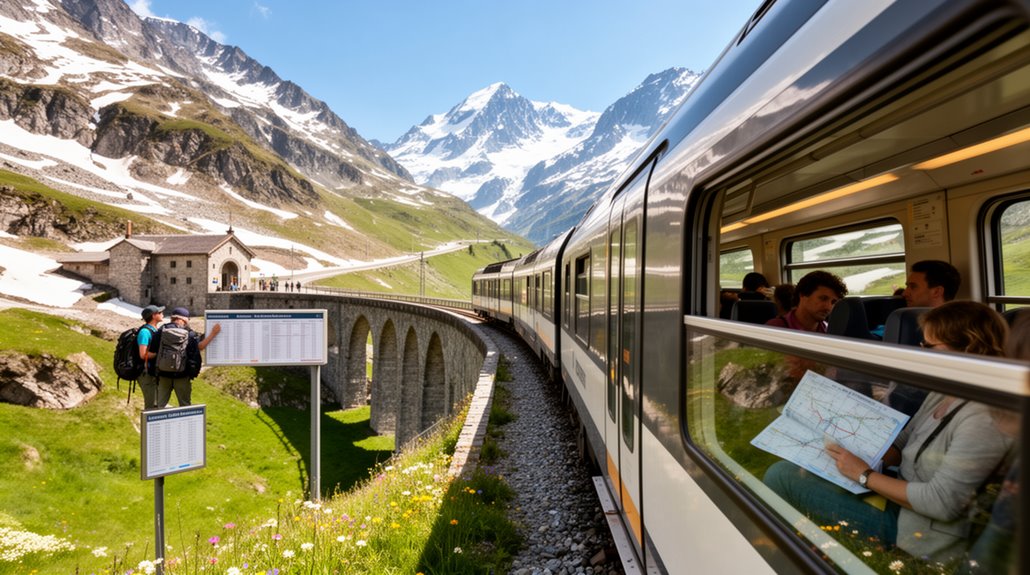
Snow starts retreating from the high Alps sometime around late April, and that’s when the seasonal route dance really begins. The alpine route seasonal restart isn’t random—Oberalp Pass targets April 25, 2025, with Splügen likely following on May 1.
Alpine routes don’t reopen on a calendar—they reopen when the mountains say so, usually late April.
This spring timetable change triggers scenic train reopening and tourist train service resumption across corridors that have been blocked since November. This timing aligns with when the majority of European resorts close towards the end of April, marking the transition from winter to spring operations. The reopening restores access to routes featured on the Grand Train Tour of Switzerland, which combines panoramic trains with buses and boats to showcase the country’s most spectacular landscapes.
That said, alpine pass accessibility depends heavily on snowpack, and the schedule transition waits for no one. Some years cooperate; others don’t. Resorts like Val Thorens have invested in expanded snowmaking capabilities to extend their seasons despite variable conditions.
Seasonal route activation happens when conditions allow—period. There’s a certain tension in that unpredictability, though it’s probably what keeps the whole process feeling less like bureaucracy and more like an annual negotiation with the mountains themselves.
New Cross-Border Connections vs Winter Service: Additional International Routes Debut
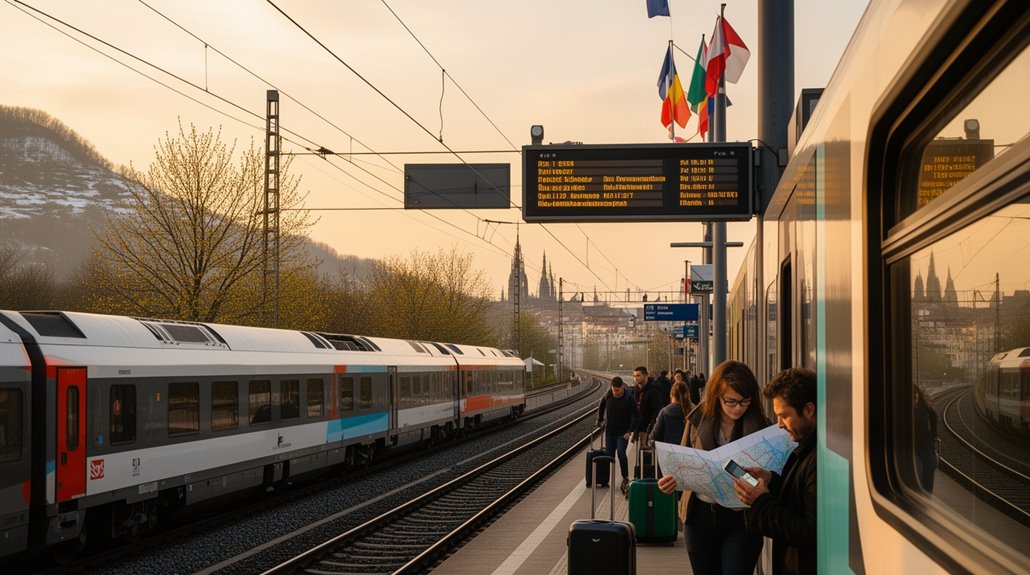
Cross-border rail connections across Europe are getting a serious shake-up with the spring timetable change, and honestly, it’s about time.
The ComfortJet Prague–Berlin–Hamburg–Copenhagen service is set to launch on May 1, 2026—a route that appears to fill a gap travellers have been asking about for years. On top of that, spring schedules bring a Basel–Copenhagen–Malmö night train, which may suggest renewed interest in slower, overnight options rather than yet another high-speed corridor. European Sleeper is also expanding with a Paris–Berlin service three times weekly from March 2026, adding another sustainable overnight alternative to short-haul flights.
These changes reflect UIC schedule coordination across 30+ countries. The expanded Germany–Poland connections alone will see Berlin–Warsaw hourly service with seven daily round trips starting December 2025, demonstrating the scale of cross-border improvements underway. Travelers heading into Poland can then connect onward using fast Intercity expresses or regional trains to reach destinations beyond the capital.
That said, coordinating timetables at this scale is notoriously messy, so whether everything runs smoothly from day one remains to be seen. Introduction dates for new connections vary, though capacity increases are likely to follow as demand becomes clearer.
Expect Frequency Increases Adding Peak-Season Departures for Summer Travel Demand
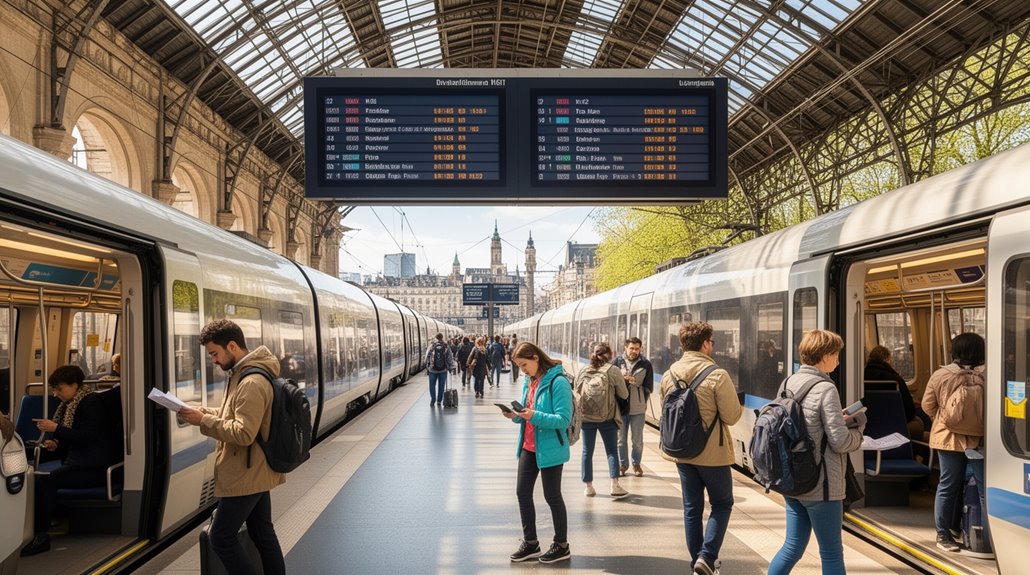
Beyond the shiny new international routes, there’s the matter of actually getting a seat—which, let’s be honest, is half the battle during peak season.
The summer service expansion brings frequency increases across major corridors. Paris–Nice is getting extra trains, with around 14 direct services already running daily on high-speed TGV Duplex trains. So are Vienna–Munich and Berlin–Hamburg. Peak capacity preparation kicks in hard, and it shows.
Extended daylight schedule adjustments mean more early morning and late evening departures, which may actually work in your favour if you’re flexible. The new Prague–Berlin–Copenhagen route launching May 1, 2026 will offer two daily return services to start. The ComfortJet trains on this route feature amenities like a dining car, bike storage, and radio frequency-transparent windows to boost mobile connectivity during the journey.
Booking windows open months ahead, though that doesn’t always guarantee availability on the routes everyone wants. Smart move? Keep an eye out for promotional fare launch timing when summer services drop. That said, these deals tend to vanish quickly—so hesitation here is likely to cost you.
Advance Booking Windows Open to Release Summer Tickets Up to 180 Days Early

Six months out for train tickets sounds excessive, right?
But that’s genuinely how European summer bookings work.
With advance reservations running through the December-June cycle, availability tends to open roughly 180 days ahead. ICE booking possible 180 days before departure matches this window exactly.
Planning ahead pays off—European train bookings open around 180 days in advance, so mark your calendar six months early.
Deutsche Bahn’s spring schedule releases appear to drop promotional fares at their absolute lowest initially—then they climb.
Fast.
The European rail timetable seems to reward the obsessively early planners among us. Keep in mind that the yearly timetable change occurs on 15 Dec, which affects when schedules become available for booking. Germany’s high-speed ICE trains are particularly popular on scenic routes, so these seats disappear quickly once summer schedules drop.
Everyone else? They’re likely paying more.
Glacier Express and Bernina Express Resume as Scenic Train Schedules Reopen
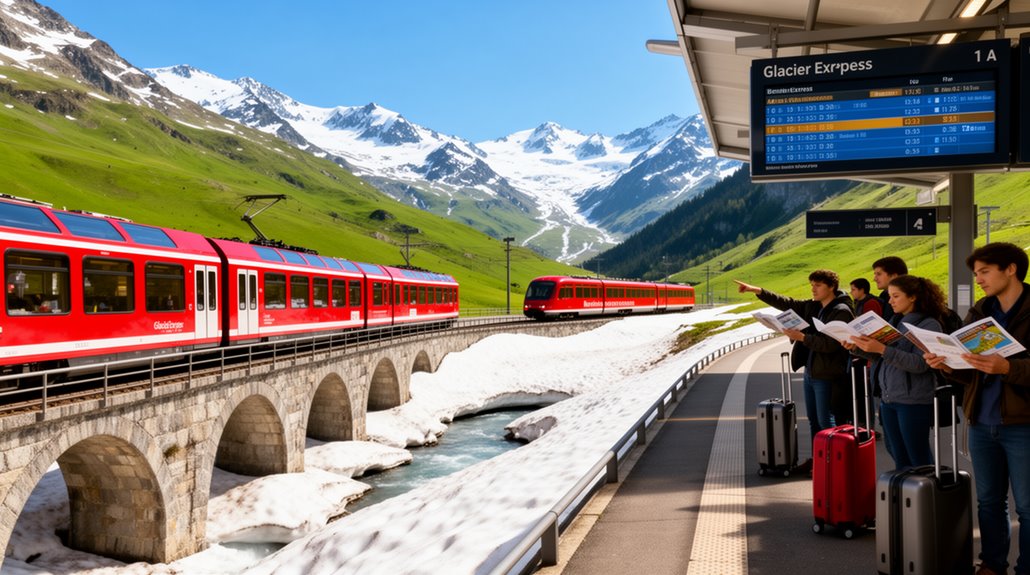
When Swiss scenic trains shake off their winter hibernation, the timing tends to matter more than most travelers actually realize.
Glacier Express kicks off its 2026 season on May 2, after months of sitting idle—though whether that feels like an eternity depends on how badly you’ve been refreshing booking pages. Bernina Express starts the same day, which is a bit misleading since it technically runs year-round; May just marks when frequency picks up to something reasonable. The summer service features two daily trains running between Chur and Tirano, with three daily services connecting St. Moritz and Tirano. The Bernina Express route holds UNESCO World Heritage status, making it one of the most celebrated rail journeys on the continent.
Alpine routes spring back to life. Tourist trains start multiplying across the network. Reservation systems? They light up almost immediately, and things can get hectic fast. The full journey from Zermatt to St. Moritz takes roughly eight hours, with stops at Brig, Andermatt, Disentis, and Chur along the way. That said, the seasonal chaos is part of the charm—or at least that’s what patient travelers tell themselves while hunting for available seats.
Frequently Asked Questions
How Do I Update My Rail App to Reflect the New Spring Timetable?
Rail apps automatically update when operators publish new timetables, typically synchronizing with the December 14 changeover date. Users should make sure automatic updates are enabled in app store settings to receive the latest schedule data.
Will My Existing Winter Ticket Remain Valid After the Timetable Change?
Winter tickets typically remain valid after the spring timetable change, as the printed validity period stays binding regardless of schedule updates. However, if a specific booked train is withdrawn, passengers may qualify for rebooking or refunds.
Do Train Ticket Prices Increase When the Spring Timetable Takes Effect?
Train ticket prices do not automatically increase when the spring timetable takes effect. European operators set fares individually through yield management systems, responding primarily to demand patterns rather than timetable change dates themselves.
Which Countries Participate in the Synchronized European Spring Timetable Changeover?
EU member states, EFTA countries (Norway, Switzerland, Liechtenstein), and Western Balkan nations participate in the synchronized European spring timetable changeover. Iceland, Russia, and Belarus do not participate as they do not observe daylight saving time.
How Does Daylight Saving Time Affect My Booked Train Departure Times?
Booked departure times display local time valid on the travel date, automatically incorporating daylight saving adjustments. When clocks spring forward, the printed time remains accurate—passengers simply experience one fewer civil hour that night.
Parting Shot
Europe’s spring timetable change isn’t just some boring scheduling update. It’s basically the starting gun for train season. Alpine passes reopen. Scenic routes wake up. International connections multiply. And booking windows swing wide open—sometimes six months out. Miss this transition, and travellers find themselves scrambling for scraps when summer hits. The second Sunday of March changes everything. That’s just how European rail works.