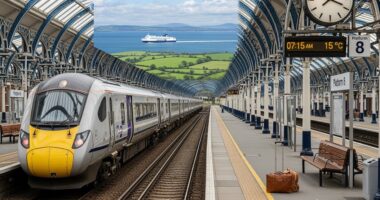
Train travel boils down to five key areas that separate smooth journeys from complete disasters. Book early to avoid price gouging during peak periods, and yes, you’ll need reservations for long-distance routes. Arrive 30-60 minutes early because stations aren’t airports, but timing still matters. Baggage policies vary wildly between carriers, so check limits beforehand. Respect quiet zones and use headphones—nobody wants to hear your playlist. Master these basics and the journey becomes significantly less stressful.

Train travel isn’t rocket science, but it’s definitely more involved than catching the crosstown bus. You’ve got a whole system to figure out, and honestly? Some parts feel like they were designed to confuse people on purpose.
Let’s start with booking tickets. Online platforms do most of the work these days—seat selection, real-time updates, the whole deal. That said, prices tend to spike during peak travel periods because supply and demand rules everything. Book early or prepare to pay more, simple as that. Rail passes might save frequent travelers money, though the math doesn’t always work out.
Long-distance and overnight services typically require reservations. Don’t forget photo ID—they actually check this stuff, unlike some city transit systems.
Stations operate like mini airports, minus the security theater. Plan to arrive 30 to 60 minutes early, maybe more during busy periods. Major stations usually offer parking, transit connections, and rideshare pickup spots. Some provide baggage assistance and waiting lounges, though these amenities vary widely.
Boarding announcements tell passengers which platform to use and when to board. Ticket validation happens through apps, kiosks, or old-school conductor checks.
Most modern trains come equipped with free Wi-Fi and power outlets on mainline routes. Overhead bins and luggage racks handle carry-on storage reasonably well. Every passenger car includes restrooms and accessible facilities. Café and dining cars serve food and beverages on many routes, though quality appears to vary considerably. Premium options include private rooms, Quiet Cars, and Business or First Class seating.
Baggage policies differ between carriers, which can get confusing. Stations assist with checked bags when available—emphasis on “when available.” Weight and quantity limits apply per passenger. Smart packing likely includes layers for temperature changes, travel pillows, headphones, and snacks. Keep valuables secure and tickets accessible throughout your journey.
Comfort matters on long trips. Train temperatures fluctuate more than you’d expect, so dress accordingly. Walking between cars is allowed and encouraged for stretching—your back will thank you. Delays happen because, well, it’s public transit. The Amtrak App provides real-time delay notifications to help manage expectations during travel disruptions. Flexibility helps. Station stops have strict boarding rules, and not every stop allows passengers to leave the train.
Route planning requires checking service maps since coverage isn’t universal. Interactive maps help with destination selection and connections, though they may not show every detail. Journey planners display arrival times and intermediate stops. Research local transit options for final destinations—you don’t want to get stranded at some remote station. Many train systems feature electric-powered networks that offer an environmentally friendly travel option compared to flying or driving.
Basic etiquette applies: no smoking onboard, respect quiet zones, use headphones, and dispose of trash properly. Conductors provide assistance but expect courteous behavior in return. Food consumption is permitted throughout the train, even so, be considerate of fellow passengers. Travelers can join Guest Rewards programs to earn points toward future trips and potentially unlock free travel benefits.
Did You Know
Can I Bring My Pet on the Train?
Yes, but only dogs and cats under 20 pounds.
They must stay in approved carriers that fit under seats.
No removal allowed during travel, and forget about bringing Fluffy to the dining car.
Service animals get a free pass, but regular pets need tickets and updated vaccinations.
First class? Nope.
International routes have even stricter rules and paperwork requirements.
What Happens if My Train Is Cancelled or Delayed?
When trains get cancelled or delayed, passengers have rights.
Delays over an hour mean 25% compensation, over two hours gets 50%. Full refunds are available for cancellations.
Railways must provide real-time updates, meals during waits, and overnight accommodation if needed.
Alternative transport arrangements are covered too. Claims need original tickets and proof.
Strikes don’t excuse compensation, but extreme weather does.
Is There Wi-Fi Available on Trains?
Yes, Wi-Fi is available on thousands of trains across Europe and North America.
Most major operators now treat it as essential as the tracks themselves. Coverage varies by route and region, but rural gaps are shrinking thanks to satellite tech like Starlink.
Over 2 million people use train Wi-Fi daily, mostly streaming Netflix and scrolling Instagram.
Expect home broadband-like performance on upgraded routes.
Can I Change My Ticket After Purchasing?
Yes, but it depends on the fare type.
Flexible “base” tickets usually allow free changes.
Economy fares typically permit one change with fees.
Super-economy or discounted tickets? Forget it—no changes allowed.
Changes must happen before departure, can often be done online, and you’ll pay any fare difference.
Name changes vary by operator.
Lower fares are basically set in stone.
Are Meals Included in My Train Ticket Price?
Meal inclusion depends entirely on your ticket class and route.
Sleeper and first-class passengers usually get complimentary meals, while coach travelers pay separately at the café car.
Amtrak’s Acela First Class includes full meal service.
VIA Rail’s Sleeper Plus and Prestige classes cover all meals.
Coach passengers? They’re buying snacks.
Special dietary needs require advance notice, sometimes with extra fees.
Parting Shot
Train travel isn’t rocket science, but people still mess it up. Book early for cheaper fares. Arrive at stations with time to spare—trains don’t wait. Pack light because dragging heavy bags through crowded platforms sucks. Check schedules obsessively since delays happen. Bring entertainment for long rides. Know your seat number and car location. Keep tickets handy for conductors. Download offline maps because cell service dies in tunnels. That’s it. Pretty straightforward stuff, really.