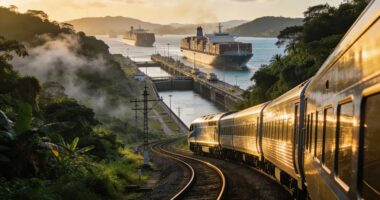
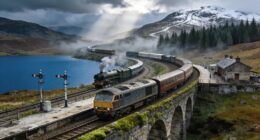
Peak summer (June-August) delivers 80% clear days and morning departures with ideal atmospheric clarity, but trains sell out fast with strict fourteen-passenger caps on popular routes like Glacier Express. Off-season (November-March) slashes prices 30-40% with empty cabins and dramatic snow-covered landscapes, though routes get limited. Spring wildflowers (May-June) and autumn larch forests (September-October) split the difference—fewer crowds, 10-30% discounts, and stunning visuals without the summer chaos or winter restrictions. The shoulder seasons basically offer everything tourists claim they want but somehow keep booking July anyway.
Navigate Peak Season Crowd Levels During June to August High Capacity Periods

Peak season on Switzerland’s scenic railways? It’s a bit of a circus. Between June and August, everyone seems to have the same brilliant idea at exactly the same moment—and trains like the Glacier Express turn into full-blown booking battlegrounds. Travelers flock to experience scenic train routes through the Swiss Alps, appreciating the breathtaking views and charming villages along the way. It’s a wonder how such beautiful landscapes can attract so many visitors at once, adding to the excitement and energy of the journey. However, securing a seat on these popular trains often requires early planning and a bit of luck.
We’re talking sold-out departures months in advance, with waitlists that grow faster than you can say “panoramic windows.”
Here’s the thing: holiday season train booking isn’t optional anymore. Routes like the Glacier Express, Bernina Express, and Jungfraujoch basically require advance reservations if you want any shot at a seat.
Capacity limits are strict, too—groups get capped at fourteen passengers per departure, no exceptions.
Groups hit a hard cap at fourteen passengers per departure—no wiggle room, no negotiating your way around it.
Think upgrading to first class will rescue you from the masses? Not really. Weekday train crowd levels stay brutal straight through mid-August, regardless of how much you spend.
Even with advanced ticketing locked down, there’s no guarantee you’ll snag a window seat for those famous alpine views—which, let’s be honest, is half the reason you’re there.
That said, off-peak travel on weekdays outside national holidays does appear to offer some breathing room. Early morning departures tend to be less packed, if you can drag yourself out of bed.
It may not be glamorous, but it’s probably your best bet for avoiding the scrum. The upside? Longer daylight hours in summer mean you’ll actually see those mountain panoramas you paid for, even on early routes.
And if your group doesn’t secure Glacier Express seats, tour operators often arrange custom alternative services that deliver the same jaw-dropping scenery without the famous label. The Grand Train Tour combines multiple panoramic trains with buses and boats to showcase Switzerland’s cultural sites and UNESCO World Heritage locations as an alternative experience.
November-March Off Season Brings 30-40% Savings on Ticket Prices and Cabin Bookings

Winter sweeps into the Swiss Alps, and those wallet-crushing ticket prices? They drop like a stone.
Off-season train discounts slash 30-40% from summer rates on panoramic routes like the Glacier Express—which honestly makes these journeys feel almost reasonable for once.
Reservation requirements ease up considerably. Cabin booking availability skyrockets when the tourist hordes vanish.
First-class upgrades become genuinely affordable, sometimes half-price.
On top of that, crowd levels plummet to tolerable numbers. We’re talking actual legroom and unobstructed window access—luxuries that seem absurd to mention but matter when you’re on a multi-hour journey.
The trade-off? Snow-blanketed peaks create winter landscapes that, if we’re being honest, rival summer’s green valleys. Maybe even surpass them, depending on what you’re after.
Ticket pricing for premium cabins becomes almost reasonable. The scenic views gain a kind of drama through ice and powder that summer just can’t match.
November specifically offers the contrast of orange trees against snowy mountains, creating a unique visual dynamic that neither full winter nor autumn can replicate.
That said, just verify routes aren’t closed before booking—winter schedules can be temperamental. The Bernina Express runs a limited timetable in November and requires compulsory reservations even during the quieter season. Consider that modern high-speed trains offer panoramic windows and spacious seating that enhance the winter viewing experience significantly.
Capture Spring Wildflower Photography in Alpine Meadows During May-June Blooms

Alpine meadows explode into color during May and June, transforming the Swiss landscape into something that actually justifies all those Instagram posts for once.
Peak wildflower viewing happens on early morning train departures when photography conditions hit that sweet spot—dew-covered petals, soft light, the whole deal.
Early morning departures catch wildflowers at their absolute best—dew-kissed blooms and that perfect golden-hour glow photographers actually dream about.
What’s interesting is how the wildflower diversity shifts week by week.
Alpine Pasque Flowers emerge first, then gentians and edelweiss follow as you climb higher. It’s like the mountains are on a schedule.
Cable cars from stations like Männlichen dramatically improve trail accessibility, getting you into prime meadow territory without the brutal uphill slog.
That said, seasonal weather remains unpredictable—temperature ranges swing wildly between warm valleys and snow-dusted peaks, sometimes in the same afternoon.
Bloom timing varies by altitude too.
Lower meadows tend to peak late May, while higher zones are more mid-June onward, though there’s always some variation depending on how the spring unfolds. The cogwheel train from Wilderswil to Schynige Platte provides scenic access to an Alpine Garden that introduces the region’s local flora. Unlike long-distance routes where you might spend nearly 3 hours covering hundreds of miles, these alpine journeys offer intimate access to changing ecosystems within shorter timeframes. After early June, cows begin grazing and farmers cut the fields, which changes the wildflower landscape considerably.
Why July-August Summer Offers 80% Clear Days and Optimal Visibility Conditions

Summer turns Swiss scenic train routes into remarkably predictable viewing platforms.
July and August deliver roughly 80% clear-day probability—a figure that appears to hold up well against historical weather records, though individual trips can still surprise you. The alpine weather patterns during these months create extended visibility windows, and morning departures between 8:00 AM and 10:00 AM tend to capture the best atmospheric clarity before afternoon clouds typically move in.
Clear sky frequency does peak during this period, but there’s a tradeoff: booking windows fill fast.
Passenger capacity maxes out across both the Glacier Express and Bernina Express routes, so you’re competing with everyone else who’s done the same research. Photography opportunities explode during golden hour lighting—roughly 5:00 PM to 8:00 PM—though by then you’re also dealing with peak tourist season crowds in full force.
That said, advance reservations aren’t really optional here. They’re essential if you want a seat during these months, let alone your preferred departure time or window position. A Swiss Travel Pass can provide unlimited travel options across scenic routes, eliminating the need to book individual tickets for each journey. While Switzerland’s alpine trains captivate travelers, Canada’s Rocky Mountaineer offers comparable mountain scenery through routes from Vancouver to Jasper and Banff with equally spectacular landscapes. The Luzern–Interlaken Express runs year-round with scenic views accessible from its Premium Panorama Train, offering an alternative route during this busy season.
Ride the Glacier Express Through Golden Larch Forests in September-October Autumn
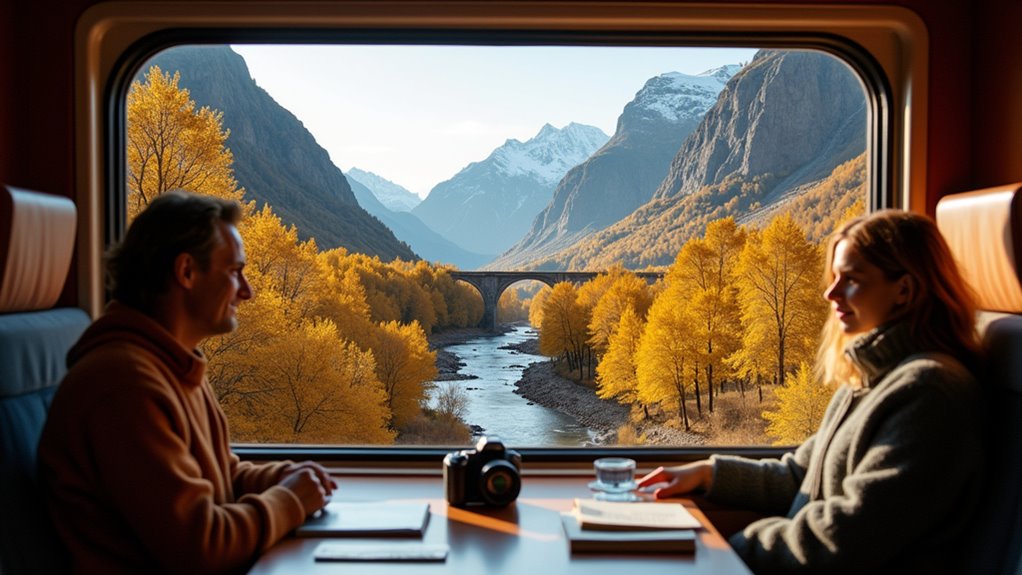
October changes everything. While the Glacier Express slices through its 291 bridges and 91 tunnels, autumn foliage train routes blaze golden—larch forests hitting peak coloration from the third week of the month through early November, though weather conditions really dictate exact timing. Frost triggers the transformation.
Tourist crowds evaporate in that sweet spot between summer hiking and winter skiing seasons. That means actual access to those panoramic windows. Scenic routes like Engadin Valley and Morteratsch Glacier showcase amber valleys against ice, and early October appears to capture ideal seasonal timing before mid-month maintenance pauses interrupt service.
Visibility factors? Crisp alpine air, softer light, and zero competition for Excellence Class reservations. Think Golden Pass Line vibes without the chaos. Like other celebrated alpine routes such as the Bernina Express, the journey offers spectacular mountain vistas that justify the international recognition these Swiss rail experiences have earned. The route’s highest point at Oberalp Pass sits at 2,033 meters, where first snow typically dusts the landscape by October. The full journey takes approximately eight hours from Zermatt to St. Moritz, passing through the dramatic Rhine Gorge along the way.
That said, you’re gambling a bit on weather—those same systems that trigger the larch coloration can roll in clouds fast. But when conditions align, the combination of empty carriages and peak foliage is likely to beat any summer run, crowded vistas and all.
Winter Snow-Covered Landscapes Await on the Bernina Express December-February

While the Glacier Express owns autumn bragging rights, the Bernina Express commandeers winter—and honestly, it’s not even close.
December through February transforms this route into what’s likely Europe’s ultimate snow-covered scenic landscape, with panoramic windows framing frozen lakes and white-blanketed passes at 2,253 meters. Your cabin comfort? Heated carriages with mandatory reservations at CHF 40.
Here’s the thing: winter snow train journeys run just once daily, which slashes crowds dramatically. Early January appears to hit the sweet spot—deep snow, manageable demand, and off-season ticket prices all align. The winter timetable features one daily train between Chur and Tirano and between St. Moritz and Tirano.
The journey includes engineering marvels like 55 tunnels and 196 bridges carved through the Alpine landscape. As for weather forecasts? Irrelevant. Swiss rail infrastructure laughs at snowstorms. That said, book ahead anyway. Reduced frequency means fewer seats, and crowds & booking considerations still matter around holidays, even if they’re less intense than peak season.
Like other European scenic routes, advance booking typically offers better ticket prices and guaranteed seating for the limited winter departures.
Take Advantage of Shoulder Season Benefits in April-May and September

Why book when everyone else books? Shoulder season train pricing drops 10–30% in April-May and September—simple math.
Mid-week train schedules run normally, so panoramic cabins, dining service, and multilingual commentary are all operational. The scenic views? They actually explode with spring wildflowers or autumn foliage, minus the summer haze that washes everything out.
Train operations and the cabin experience tend to be genuinely peaceful during these months. You still need reservations for the Glacier Express and Bernina—they’re mandatory—but selling out isn’t a guaranteed thing anymore.
Weather stays mild, somewhere between 5–18°C depending on altitude. Daylight hours stretch long in May and September too, which maximizes your window time for those views you came for. Similar to how RER D connects major stations in Paris efficiently, Switzerland’s regional rail network maintains reliable connections between scenic routes during shoulder season.
On top of that, crowds thin out. Hotels discount rooms. Nobody fights for Instagram angles at Landwasser Viaduct, which is refreshing if you’ve ever tried to photograph a landmark in July. The ideal travel months run from mid-April to mid-October for comprehensive train service, making shoulder season perfectly timed for full route access.
The Voralpen Express runs hourly departures during shoulder season, linking Lucerne and Zurich without requiring any reservations. Even so, it’s worth checking specific train availability ahead of time—shoulder season is quieter, but it’s not deserted.
Frequently Asked Questions
What Accessibility Features Does Glacier Express Offer for Wheelchair Users?
The Glacier Express provides one wheelchair space per train with accessible restrooms in first class. Boarding requires ramp assistance and 24-hour advance reservation through station counters, as the train lacks step-free access and has limited mobility accommodations.
Can I Bring Luggage on Board or Must I Ship Ahead?
Passengers may bring luggage aboard the Glacier Express without strict size limits. Large suitcases fit on dedicated racks, while smaller bags use overhead storage. Shipping ahead remains optional for travelers preferring lighter boarding.
Are Children Under 6 Years Old Eligible for Free Tickets?
Children under 6 years old travel free on the Glacier Express when accompanied by a fare-paying adult. However, a separate seat reservation fee must be purchased if the child requires their own seat.
Does Excellence Class Justify the Premium Price Over Standard Seating?
Excellence Class justifies its premium for travelers prioritizing luxury and exclusivity, offering guaranteed window seats, five-course dining, champagne service, dedicated concierge, and intimate 20-passenger capacity. Budget-conscious passengers find first-class provides comparable panoramic views affordably.
How Far in Advance Should I Book Reservations?
Book Excellence Class reservations 93 days ahead when the window opens, as premium seats sell out quickly. Standard class reservations should be secured at least 60-90 days before travel during peak seasons to guarantee availability.
Parting Shot
Timing matters—a lot. Summer crowds mean chaos, but those 80% clear days deliver. Winter prices drop hard, though freezing in panoramic glass isn’t everyone’s idea of fun. Spring wildflowers pop in May, autumn larches glow gold in September. Every season works if expectations match reality. Book 48 hours ahead regardless, because 300,000 annual passengers aren’t messing around. The train runs year-round through 91 tunnels. Pick weather over savings, or vice versa. Done.