What Every Interrail Pass Guide Reveals About Reservation Requirements
Interrail Pass reservation requirements: mandatory fees apply on high-speed and overnight routes across Europe.
The pass promises unlimited travel. The fine print tells a different story. Regional trains honor the deal. Premium services demand extra payment.
- TGV France: SNCF charges €10-20 per journey on every TGV and INOUI route. Paris to Lyon requires booking. Paris to Marseille requires booking. No exceptions exist.
- Eurostar: Channel Tunnel crossings cost €30-52 for passholders. London St Pancras to Paris Gare du Nord seats fill fast. Brussels connections carry the same premium.
- Nightjet: ÖBB sleeper cabins range from €29 for couchettes to €70 for private compartments. Vienna to Rome overnight demands reservation. Munich to Venice requires the same.
Spanish rail operator Renfe caps passholder seats at 25 per AVE train. Madrid to Barcelona fills quickly. Seville routes vanish in summer.
Deutsche Bahn ICE trains remain reservation-optional. Swiss Federal Railways SBB charges nothing extra. Italian regional Trenitalia services run free.
The Rail Planner App shows which routes need booking. Eurail reservation service handles tickets online. Local station counters at Roma Termini and Amsterdam Centraal process requests in person. With the right tools, travelers can embark on historic railway journeys to discover breathtaking landscapes and vibrant cultures. Each route offers unique experiences, from scenic views of the Alps to charming towns filled with history. Whether you seek adventure or relaxation, these journeys promise unforgettable memories.
Fun Activity To Try: Book a scenic regional route through the Swiss Alps on the Glacier Express panoramic section between Chur and Brig—no reservation required, stunning views guaranteed.
Key Points
- High-speed trains like TGV, Eurostar, and AVE require mandatory reservations costing €10–52, while regional trains typically need none.
- Passholder seat quotas are strictly limited and sell out quickly, especially on popular routes during peak season.
- Booking windows open 90–180 days ahead; reserving at least one month early is recommended for mandatory-reservation services.
- Night train supplements vary dramatically from €5 for seats to over €70 for private sleepers, following dynamic pricing models.
- Regional alternatives (German RB/RE, French TER, Italian Regionali) let passholders board freely without reservations or additional fees.
TGV France Requires €10-20 Compulsory Reservations for Every Interrail Journey

The Interrail pass sells you on freedom — hop on any train, roam wherever you like.
France’s TGV network, though, has other ideas.
Every single high-speed journey requires a compulsory reservation. No wiggle room there.
You’re looking at €10-20 per trip, which adds up faster than you’d expect.
And here’s the thing: passholder quotas appear to be genuinely tight. The Interrail planner is helpful, sure, but it likely won’t save you when those booking windows fill up. You can start booking up to 3 months in advance, so planning ahead is essential.
Peak season makes everything worse. Those allocated seats? They seem to vanish weeks before you’d even think to book. Recent summers have shown mandatory-reservation trains selling out earlier than usual due to regular ticket purchasers occupying the limited passholder seats.
Some travellers swear by checking at odd hours or trying station counters directly, though your mileage may vary. Cross-border routes like the SNCF TGV INOUI services to Spain face the same reservation requirements and limited pass holder allocation.
It’s not exactly the spontaneous rail adventure the brochure promised.
Why Eurostar Charges Passholders €30-52 for High-Speed London-Paris Journeys
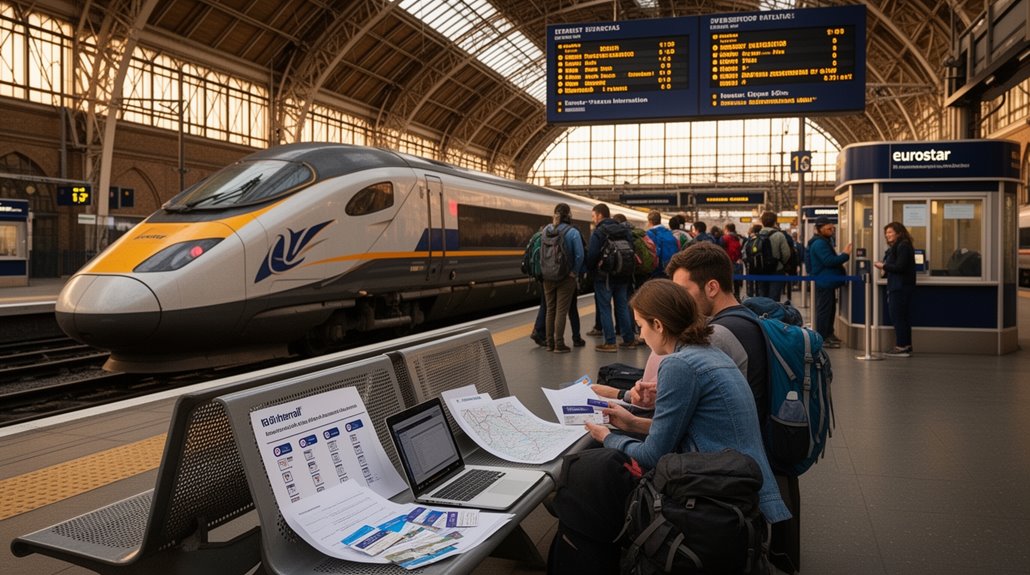
How does a rail pass that promises unlimited travel end up costing €30-52 extra just to get across the Channel? It’s a fair question. Eurostar operates under strict reservation requirements, which means passholders face a mandatory surcharge on every London-Paris trip. No getting around it.
| Feature | Details | Impact |
|---|---|---|
| Reservation fee structures | €30-52 per direction | High-speed train fees add up fast |
| Mandatory reservation routes | All Eurostar services | Rail passes still need booking |
| Passholder quota | Limited seats per train | Can sell out quickly |
That said, the logic here isn’t entirely unreasonable—high-speed services do cost more to run, and capacity is genuinely limited. Even so, when you’re paying €52 each way for a return trip, the “unlimited” promise on your pass starts to feel a bit hollow. On top of that, the passholder quota appears to be fairly small, so popular departure times can sell out weeks in advance. You might have a valid pass in hand and still find yourself locked out of the train you actually need. To secure the best availability and prices, booking tickets well in advance is essential given the limited passholder allocations on each service. It’s also worth noting that 1st class Pass holders have the flexibility to book either Standard or Standard Plus, while 2nd class passholders are restricted to Standard Class only. If you’re planning a more complex journey involving connections, remember that for multi-train itineraries, reservations must be made for each individual train segment rather than as a single booking.
ÖBB Nightjet Booking Costs: €15-70 Range Based on Sleeper Accommodation Type
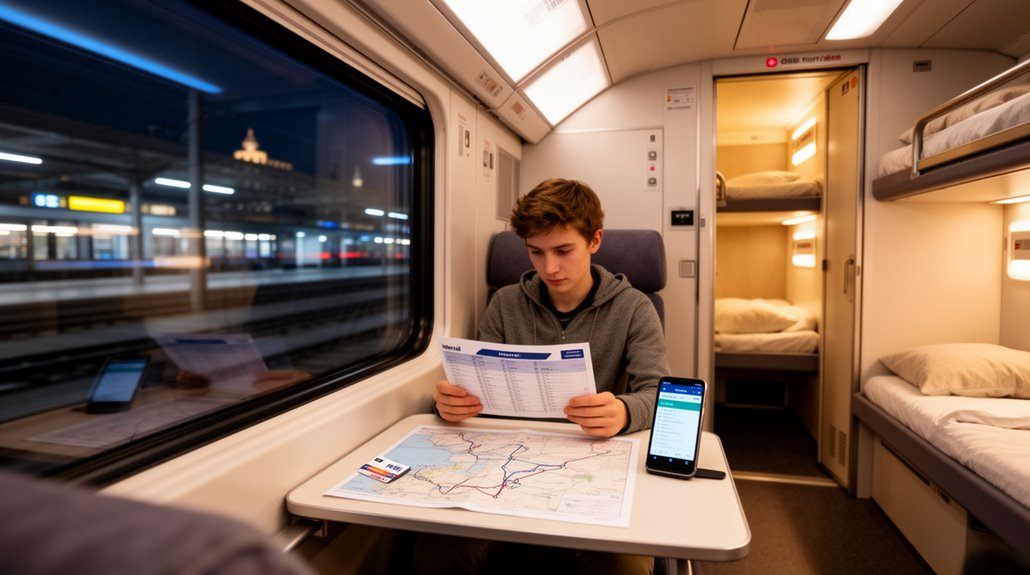
Eurostar’s €30-52 surcharges might sting, but ÖBB Nightjet? That’s where things get properly complicated. Night train supplements follow dynamic pricing, which means what you pay depends heavily on when you book and how popular your route is. Seat reservations tend to run €5-€20—manageable enough. Couchettes, though, will set you back somewhere between €20-€65, and that range largely comes down to how many strangers you’re willing to share a berth with. Private sleepers climb higher still.
The €15-70 window appears to cover most compulsory booking trains, but if you’re eyeing one of those premium cabins with your own shower and toilet, expect to blow right past that ceiling. On top of that, advance purchase windows and peak period rules genuinely matter here—book the Vienna-to-Rome route during summer holidays versus a random Tuesday in March, and you’ll likely see very different numbers. You can book Nightjet reservations up to 6 months in advance, giving you a decent window to snag better prices on popular routes. Understanding fare structures and pricing becomes essential when planning overnight journeys across multiple countries. Pass validity conditions still apply, naturally, so it’s worth double-checking whether your particular rail pass even qualifies before you get too excited about that overnight journey through the Alps. Worth noting that seat reservations aren’t mandatory on Nightjet seating carriages run by Deutsche Bahn on the Zürich–Hamburg, Zürich–Berlin, and Zürich–Amsterdam routes, which can simplify things considerably.
Renfe AVE Restricts Interrail Seats to Just 25 Per Train Under Spanish Policy
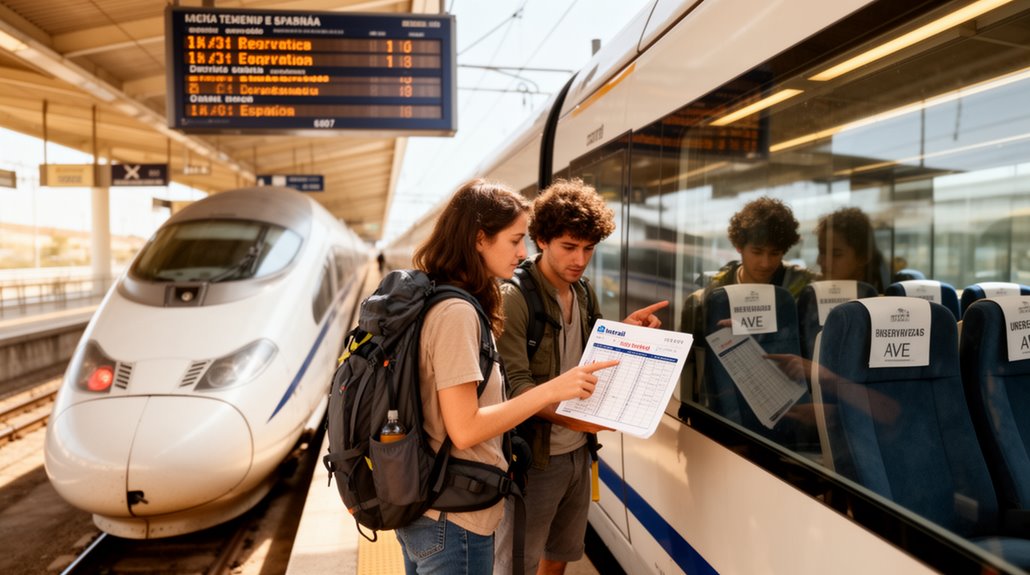
Spain takes its Interrail restrictions seriously—maybe too seriously, some would argue. Renfe AVE appears to cap passholder seats at around 25 per train, and once those are claimed, you’re simply out of options.
It’s a tight squeeze, to say the least.
That said, the country-specific booking rules do make a certain kind of sense when you think about demand. The Madrid-Barcelona corridor gets hammered with travelers, so booking ahead isn’t just smart—it’s basically required. The high-speed AVE bullet train covers this route in roughly 2 hours and 30 minutes, making it one of the most popular connections in the country.
On top of that, you’re looking at mandatory seat fees of roughly €10 per journey, which can add up fast if you’re hopping between cities. If you’re traveling with gear, keep in mind that passengers are allowed up to 3 pieces of luggage, with each piece weighing a maximum of 25 kg.
Platforms like Rail Europe can help navigate the reservation maze. As of April 2025, Rail Europe added Renfe seat reservations to all their sales channels specifically for Eurail and Interrail Global Pass holders. Even so, the pass conditions here feel genuinely harsh compared to what you’d encounter elsewhere in Europe. Whether that’s reasonable capacity management or an unnecessarily restrictive policy is likely to depend on which side of the booking cutoff you land on.
How Trenitalia Frecce Tiered Pricing Ranges From €3 Standard to €13 Peak

While Spain might cap Interrail seats at a frustrating 25 per train, Italy takes a completely different approach with its Frecce high-speed services. The supplement fees here appear to follow genuine dynamic pricing—anywhere from €3 to €13 depending on demand.
Catch an off-peak departure and you’re likely looking at just €3. Try to hop on a Frecciarossa during rush hour, though? That jumps to €13. It’s a notable contrast to the rigid seat assignment policies you’ll find elsewhere. The system seems to mirror how Trenitalia handles yield management for regular ticket sales, which, for better or worse, means the price you pay actually reflects how many other people want that same seat. This tiered approach applies across Frecciarossa, Frecciargento, and Frecciabianca services, where seats per price level are limited and vary by day, train, and class. With 201 Frecciarossa trains running daily and more than 100 of those operating between Rome and Milan alone, travelers have plenty of scheduling flexibility to hunt for lower supplement tiers. Booking through the Trenitalia website or app well in advance gives you the best chance of securing those lower-priced reservations before they disappear.
Book High-Demand Routes 90-180 Days Ahead When Reservation Windows Open

Because high-speed routes across Europe work on a first-come, first-served basis for passholders, waiting until the last minute is essentially gambling with your trip.
Book early or risk missing out—high-speed trains don’t hold seats for latecomers.
And advance requirements? They hit differently depending on what you’re booking.
Eurostar seats tend to vanish weeks out. The Amsterdam to Paris route alone runs up to 11 times daily, yet passholder allocations remain limited.
Same goes for TGV in France, Thalys supplements, and Trenitalia Frecce connections—though availability may vary depending on the season and route.
Night trains disappear even faster, often before you’ve had time to finalize other plans.
Online reservation systems and the Interrail planner app typically open their booking windows 90 to 180 days ahead. The Timetable displays estimated reservation prices before you confirm your booking, helping you budget accordingly.
That said, seat assignments can still slip away quicker than expected on popular corridors.
Scenic railway charges, meanwhile, vary wildly—what costs a few euros on one route might surprise you on another.
Booking at least a month ahead is the general recommendation for trains with mandatory reservations, giving you the best chance of securing your spot before allocations run out.
Regional and Intercity Trains Accept Interrail Pass Without Any Reservation Fee
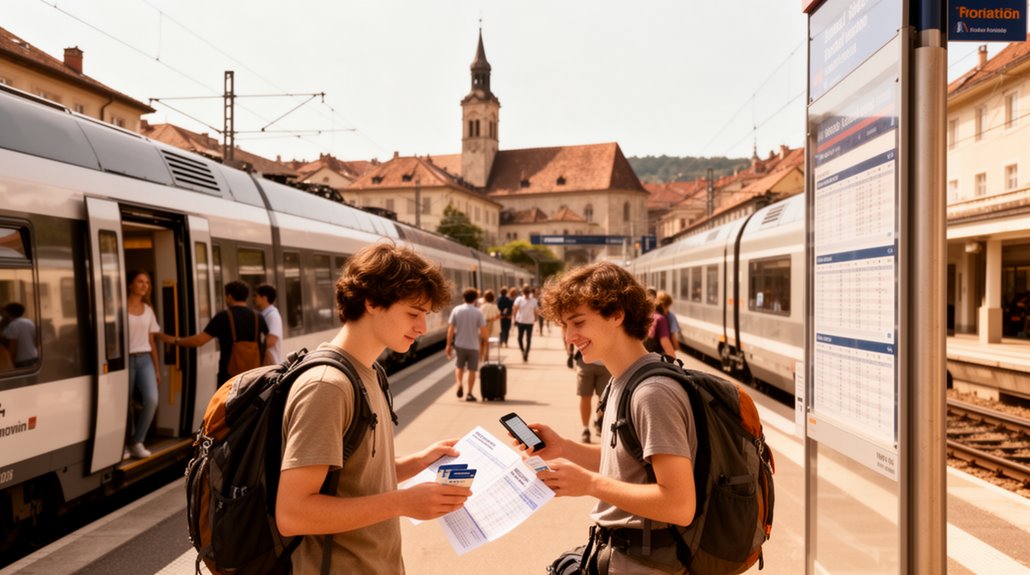
For travelers tired of watching reservation fees pile up, regional trains offer a refreshing break from the nickel-and-diming. German RB/RE, French TER, Italian Regionali—just flash your pass and sit down. No seat requirements. No hunting for a booking desk at the station. Unlike high-speed trains where dynamic pricing works to increase costs closer to departure, regional services maintain consistent free access for pass holders.
| Train Type | Reservation Fee | Last-Minute Availability |
|---|---|---|
| German RB/RE | €0 | High |
| French TER | €0 | High |
| Italian Regionali | €0 | High |
That said, country booking policies do vary. Some stations may suggest you reserve anyway, but optional bookings remain exactly that—optional. You’re free to hop on, find a seat, and go. When high-speed trains sell out for Interrail holders, you can toggle ‘No reservation needed’ in the Interrail timetable to filter for regional alternatives. These flexible regional services also grant access to off-the-beaten-track destinations that high-speed lines simply cannot reach, from mountaintop villages to quiet fishing towns.
Frequently Asked Questions
Can I Book Interrail Reservations Through the Official Interrail Planner App Directly?
Yes, travelers can book Interrail seat reservations directly through the Rail Planner app for many popular European routes. The app connects to Interrail’s official reservation system, though some operators require external websites or station bookings.
Do Youth and Adult Pass Holders Pay Different Reservation Fees?
No, youth and adult pass holders pay identical reservation fees. Interrail reservation costs are determined by train type, route, and travel class rather than the passenger’s age category. Age only affects the pass purchase price.
What Happens if Passholder Seat Quotas Sell Out on My Preferred Train?
Passholders can book an alternative departure time, use regional trains without mandatory reservations, break the journey into segments, travel on a different day, or purchase a standard ticket separately while conserving pass travel days.
Are Reservation Refund Policies Different for Interrail Passengers Than Regular Tickets?
Reservation refund policies for Interrail passengers largely mirror those for regular tickets. Each operator applies similar time-based refund scales, with deadlines and fees typically identical whether travelers hold passes or standard tickets.
How Do Cross-Border Train Reservations Work When Passing Through Multiple Countries?
Cross-border train reservations typically require separate bookings through each national railway operator or the Interrail platform. Travelers must secure reservations per segment, as one unified booking system rarely covers entire multi-country journeys automatically.
Parting Shot
Interrail passes sell a dream of spontaneous European adventure. Reality delivers a spreadsheet of reservation fees, booking windows, and seat quotas. That’s just how it works. France wants €10-20 per train. Spain caps passholder seats at 25. Eurostar charges up to €52 on top of the pass. Regional trains remain the exception—hop on, no drama. The unlimited travel promise comes with plenty of asterisks.