
Why Air Travel Vs Train in Europe Favors Copenhagen to Stockholm Journey by Rail
Copenhagen to Stockholm rail journey: a smarter choice than flying for most travelers.
The SJ High-Speed Train covers the 650-kilometer route in five hours. Flying appears faster on paper. It is not. Door-to-door air travel consumes roughly six hours. Copenhagen Airport requires early arrival. Security lines add time. Stockholm Arlanda Airport sits 40 kilometers from the city center. The Arlanda Express train adds 20 minutes and 300 SEK to your journey.
- Copenhagen Central Station: The departure point sits in the city heart. Tivoli Gardens stands across the street. Hotels cluster nearby. No taxi needed.
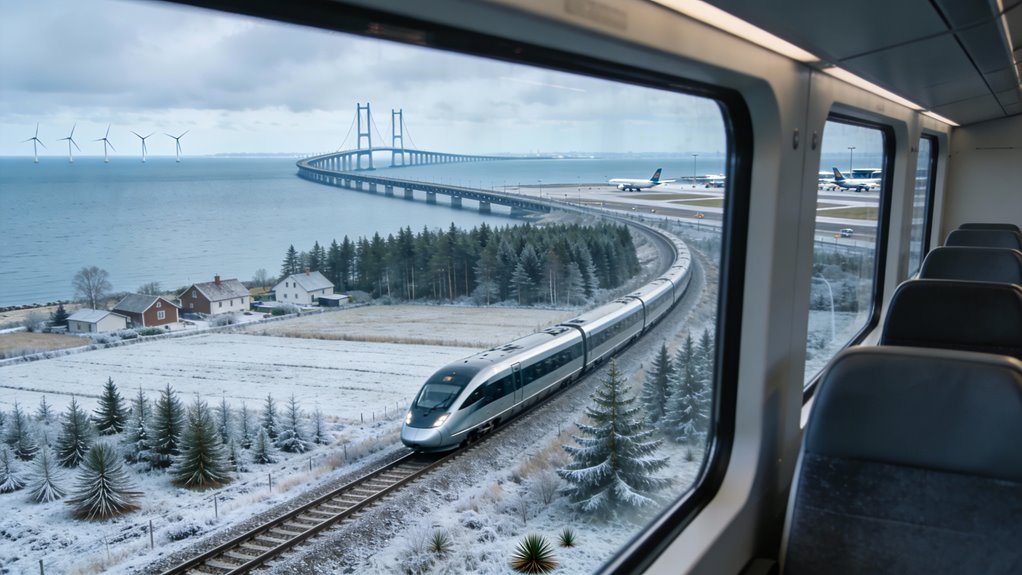
- Øresund Bridge: The rail crossing connects Denmark to Sweden. Passengers witness the Baltic Sea from their seats. The bridge spans 16 kilometers. Aircraft passengers see nothing but clouds.
- Stockholm Central Station: The arrival point delivers travelers to Norrmalm district. The Grand Hôtel Stockholm sits within walking distance. Gamla Stan waits five minutes away.
SJ offers onboard WiFi. Passengers work during transit. The bistro car serves Swedish coffee and kanelbullar. Legroom exceeds any Scandinavian Airlines economy seat. Norwegian Air and SAS charge for checked bags. Rail tickets include luggage.
The math favors rail. Flight time saves 15 minutes. Rail comfort wins five hours. The choice is clear. scenic train journeys through Switzerland offer breathtaking views of the Alps and charming villages along the way. Passengers can relax in spacious seats while enjoying delicious local cuisine, making the experience both comfortable and memorable. With the beauty of the Swiss landscape unfolding outside the window, it’s a journey that transcends mere transportation. For travelers looking to make the most of their adventures, rail travel tips for crossborder journeys can enhance the experience even further. Planning ahead can help navigate the various routes and schedules, ensuring a smooth connection between countries. Exploring Europe by train not only connects cities seamlessly but also immerses passengers in the diverse cultures and landscapes along the way.
Fun Activity To Try: Book a window seat on the left side of the train to photograph the Øresund Bridge crossing, then share your shots at Fotografiska Stockholm the same evening. To make the most of your journey, check the train schedules in European cities in advance to plan your stops. A well-timed schedule will allow you to explore iconic landmarks and immerse yourself in local culture. Don’t forget to sample regional delicacies during your travels, as each destination offers its own unique flavors. For a truly unique experience, consider exploring hidden train routes in Europe that take you through picturesque villages and breathtaking landscapes often missed by traditional tourist paths. These lesser-known journeys can reveal enchanting scenery and hidden gems, enriching your travel experience. As you navigate these routes, keep your camera ready for stunning views and unforgettable moments along the way.
Key Points
- Door-to-door travel times are nearly identical, with trains saving 125 minutes of waiting compared to flights.
- Rail produces roughly 90% less CO2 than flying on this Scandinavian route using cleaner electric energy.
- Trains offer five uninterrupted hours of productivity with Wi-Fi, power outlets, and spacious seating throughout.
- City-center arrivals eliminate suburban airport transfers, security queues, and boarding-zone anxiety entirely.
- The scenic Øresund Bridge crossing provides panoramic water views unavailable when flying above the clouds.
SJ Train Five-Hour Journey Beats Six-Hour Door-to-Door Flight Time
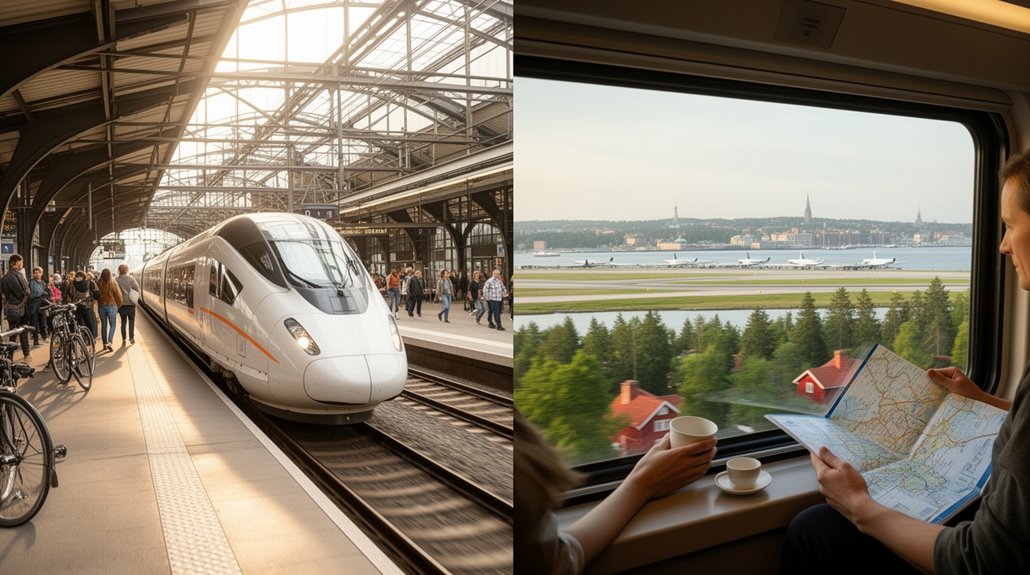
When you actually run the numbers, things get interesting. The Copenhagen to Stockholm route on SJ high-speed trains takes roughly five hours. Flights? About an hour in the air. Easy choice, you’d think. But not so fast. If you’re looking for alternatives, consider the scenic train routes in Switzerland. These journeys offer breathtaking views of the Alps, making the travel experience just as memorable as the destination itself. With comfortable travel options and stunning landscapes, it might just be the perfect escape from the hustle of air travel. If you’re curious about the best overnight trains in Europe, there are several routes that transform your journey into an unforgettable experience. From the picturesque landscapes of the Austrian countryside to the charming towns along the French Riviera, these trains provide not just a way to travel but an adventure in itself. As you settle into your cozy cabin, the rhythmic sound of the train on the tracks lulls you into a restful sleep, making waking up in a new city all the more exciting.
Factor in the taxi to the airport, the security queue that always seems longer than expected, boarding, deplaning, and the inevitable scramble to get into the city center afterward—suddenly that flight appears to eat up around six hours door to door. The train, meanwhile, drops you right in the heart of Stockholm. On top of that, carbon emissions likely fall by something like 90% when you skip the plane. Studies show average waiting time for train journeys is about 32 minutes compared to roughly 157 minutes for flying. For certain travelers, at least, the math may actually favor the slower option. Booking at least two weeks prior can also save you money, as train ticket prices rise closer to the departure date. The journey also offers onboard amenities like free Wi-Fi and spacious seating that make the five hours feel productive rather than wasted.
How Copenhagen Central to Stockholm Central Access Eliminates 90-Minute Airport Transfers

That six-hour door-to-door flight estimate isn’t pulled from thin air.
Between security queues and check-in cutoffs, you’re looking at roughly 90 minutes gone before you’ve even found your seat.
And then comes the Arlanda slog—getting from that sprawling airport into central Stockholm, which can feel like a journey in itself.
Direct train service from Copenhagen Central to Stockholm Central flips the script entirely.
You walk into one city center and step out in another.
No schlepping to a suburban airport on the outskirts.
No ritual of removing your belt and shoes for security theater.
The total travel time appears to drop pretty dramatically, largely because the friction just… evaporates.
That said, it’s worth noting the train isn’t magic—delays happen, and six hours of sitting is still six hours of sitting.
The fastest direct trains clock in at around 5 hours 30 minutes, making that seated time more manageable than it might sound. For those looking for a more scenic route, night trains across Europe offer a unique travel experience, allowing passengers to sleep through the journey while waking up in a new city. With comfortable accommodations and stunning views of the countryside, these trains provide an alternative to flying or driving. Plus, they make late travel options convenient for those wanting to maximize their time at their destination. As travelers explore their journeys, understanding european rail pass options explained can significantly enhance their experience. Various passes provide flexibility, allowing unlimited travel within selected regions and even access to popular tourist attractions. Additionally, special discounts may be available for youth, seniors, and families, making rail travel a cost-effective choice for everyone.
When you factor in all the airport procedures, flying city-center-to-city-center saves you only 15–20 minutes in the best-case scenario.
Using real-time train information apps can help you stay ahead of any schedule changes along the route. Many travelers find that knowing the essential train routes in Eastern Europe can make a significant difference in their journey. By familiarizing yourself with these routes, you can save time and discover hidden gems along the way. Additionally, having a grasp of train schedules enables spontaneous adventures without the stress of last-minute planning.
Even so, for plenty of travelers, eliminating those airport bookends may well tip the balance.
Rail Emits Just 10% of Flight CO2: The Carbon Footprint Case for Copenhagen-Stockholm Train

The carbon math on this route isn’t subtle—rail appears to emit just 10% of flight CO2 on Scandinavian routes like Copenhagen to Stockholm. That’s not a typo. And honestly, the carbon footprint comparison is brutal for flight alternatives, though it’s worth noting these figures can vary depending on load factors and how you slice the data.
SJ (Swedish Railways) runs this five-hour journey across the Øresund Bridge crossing. Meanwhile, Copenhagen Airport flights likely dump roughly ten times more emissions into the atmosphere. Even so, some travelers might argue the time trade-off matters—five hours on a train versus roughly an hour in the air. That said, when you factor in airport security, boarding, and the trek into city centers, the gap shrinks considerably. Electric trains on routes like this use cleaner energy sources, further widening the environmental gap between rail and aviation. In addition to the environmental benefits, crossborder train travel in Europe offers a unique opportunity for cultural immersion, allowing travelers to experience multiple countries in a matter of hours. The scenic views from train windows provide a picturesque journey that flights simply cannot match. This method of travel also encourages a sense of relaxed exploration, as passengers can step off in vibrant cities without the hassle of lengthy customs procedures.
The environmental impact difference is honestly embarrassing for aviation. Or at least it should be. The general emissions ranking confirms this pattern, with planes producing the highest emissions, followed by ferries, buses, and trains at the lowest. For those flying from further afield, choosing Copenhagen over Stockholm as your arrival airport cuts flight distance by approximately 25%, and you can still reach your Swedish destination via high-speed rail connections.
Experience the Øresund Bridge Eight-Kilometer Panoramic Water Crossing by Rail
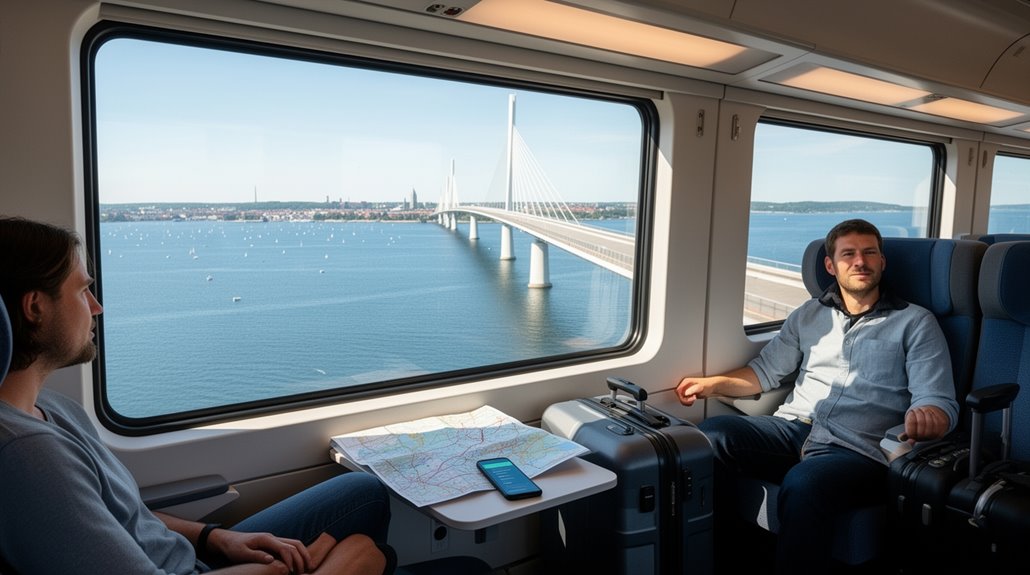
Beyond the carbon savings, there’s something else that tends to stick with travellers—an eight-kilometer stretch where the train, well, basically floats above the sea. The Øresund Bridge delivers the kind of scenic views you simply won’t get at 35,000 feet. At least, that’s been my experience. For those looking to explore more breathtaking landscapes, scenic rail journeys through Switzerland offer unparalleled vistas of the Alps and pristine lakes. Each route reveals charming villages and dramatic mountain ranges, making the journey just as captivating as the destination. Trains like the Glacier Express provide a unique perspective on this stunning country, where every bend in the tracks unveils a new masterpiece of nature.
This Copenhagen–Malmö connection runs on a double-track line beneath the motorway, and it can hit speeds up to 200 km/h. Pretty quick.
That said, what really stands out is the continuous water vista—something that may actually make the journey feel shorter than it is. Some might argue you could drive across instead, sure. But then you’d miss the chance to work, read, or just stare out the window without worrying about traffic. The bridge replaced what was once a one-hour ferry journey with a crossing that takes just minutes by high-speed rail. The high-level bridge section offers 57 meters of vertical clearance above the water, giving passengers sweeping views of passing ships below. For those seeking similar remarkable engineering feats, Austria’s Semmering Line offers another UNESCO-recognized rail experience through dramatic Alpine terrain.
Not a bad trade-off for productive travel time, if you ask me.
Why Five Hours of Onboard Wi-Fi Work Time Beats Disconnected Flight Travel
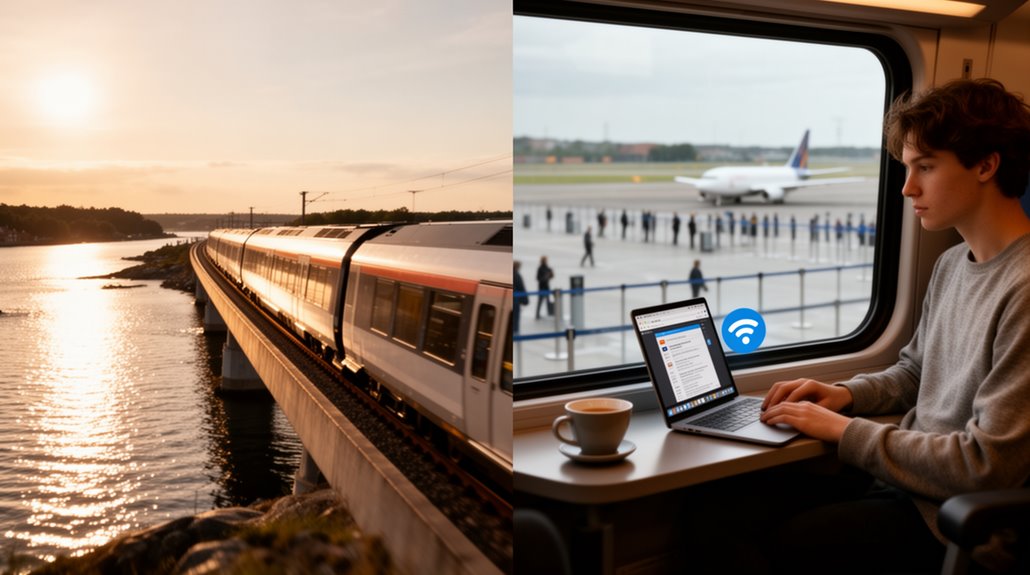
Airlines love to advertise their one-hour flight times, but nobody seems to mention the other three hours of airport nonsense that come with it.
Swedish Railways, on the other hand, offers onboard wi-fi for the entire journey—which likely means you can actually get work done instead of shuffling through security queues.
And the seats? They appear to support real work, not just the cramped pretense of productivity you get on a plane. The trains feature large, comfortable seats with good legroom, tray tables, and power outlets at every seat. The benefits of super offpeak fares make traveling more accessible for those looking to save money while enjoying the comfort of train journeys. With flexible scheduling and reduced prices, passengers can experience the convenience of rail travel without breaking the bank. This makes train travel not only a practical choice but also an enjoyable one for both leisure and business. Choosing the advantages of offpeak train travel allows commuters to avoid the usual crowds, creating a more peaceful environment. Additionally, with the chance to enjoy scenic views that are often overlooked during busier travel times, passengers can maximize their journey’s potential. Overall, this makes offpeak travel an appealing option, whether for work or leisure.
That said, the time comparison is worth examining more closely.
Flight duration looks great on paper.
Productive hours, though, may tell a different story entirely.
Service reliability matters here. The X2000 delivered on its promise, arriving in Copenhagen right on time. High-speed trains across Europe have built their reputation on this kind of punctuality. For those looking to explore more than just the city itself, day trips from Paris by train offer a fantastic way to experience the surrounding regions. From the historic châteaux of the Loire Valley to the charming streets of Rouen, these journeys provide a perfect escape. Travelers can enjoy the stunning French countryside while reaching their destinations in a matter of hours. For those based in London, day trips to Bath from London are an excellent option for a weekend getaway. With its Roman baths and Georgian architecture, Bath provides a unique blend of history and culture. Visitors can wander through the picturesque streets, indulge in local cuisine, and soak in the serene atmosphere, all within a short train ride.
So does journey comfort.
Five connected hours—uninterrupted, no devices-off announcements, no boarding zone anxiety—probably beats fragmented airport chaos for most travelers.
Even so, it depends on what you value: speed on a spreadsheet, or actual usable time.
Scandinavian Rail Allows Unlimited Luggage Without Weight Limits or Extra Fees
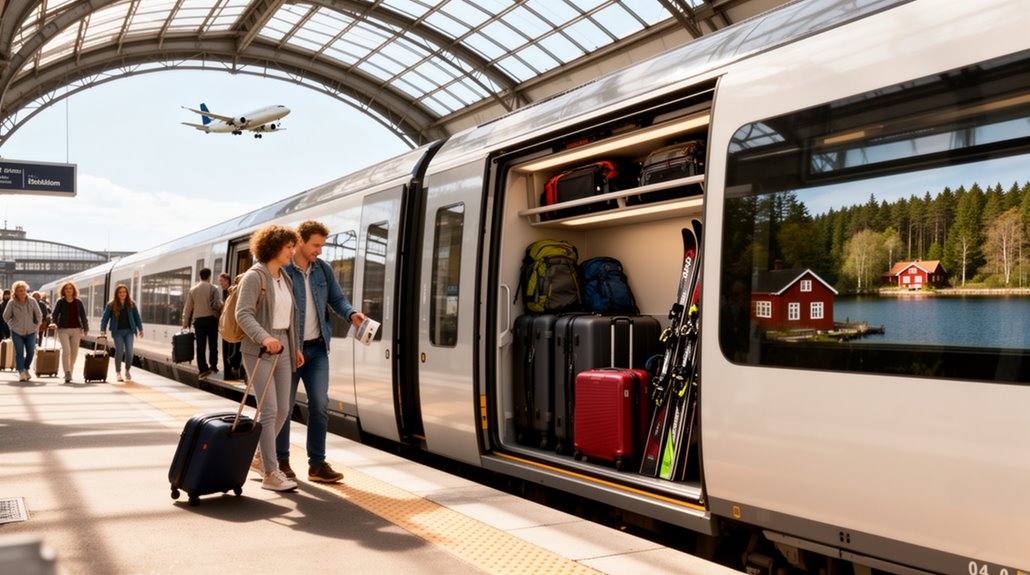
Productivity aside, there’s another claim making the rounds about Scandinavian rail that probably deserves a closer look. One of the most appealing aspects of travel in this region is the opportunity to experience luxurious train journeys across Europe. These routes offer stunning vistas and unparalleled comfort, allowing passengers to indulge in the scenery while enjoying top-notch amenities. Whether it’s the picturesque landscapes of the Alps or the charming villages of Tuscany, these train journeys provide a unique way to explore the continent. For those looking to expand their travel experiences, scenic train journeys from Paris present a remarkable opportunity. Departing from the heart of France, travelers can embark on routes that showcase the beauty of the countryside and beyond, making each trip a visual feast. The convenience of these journeys, combined with the enchanting views along the way, makes them an ideal choice for anyone seeking adventure and relaxation alike.
“Unlimited luggage” — sounds dreamy, right? The reality is a bit more complicated. SJ’s policy actually caps you at two large bags (80×50×35 cm, 20 kg each) plus one smaller item. EuroNight services appear to be even stricter. When selecting luggage for this route, travelers should prioritize compact, lightweight options with sturdy wheels that can handle both narrow train aisles and cobblestone streets at each destination. For travelers seeking a unique experience, luxury train routes across Europe offer scenic views and opulent amenities. Whether you’re exploring the Alps or traversing the Mediterranean coast, these journeys provide an unforgettable way to see multiple destinations in style. Just be mindful of luggage restrictions to fully enjoy the comfort of your trip.
| Factor | SJ Trains | Airlines |
|---|---|---|
| Baggage fees | None within limits | Often charged |
| Weight penalties | No | Yes |
| Storage constraints on trains | Self-managed | N/A |
That said, the comparison to flying still holds up pretty well. No one’s going to nickel-and-dime you for an extra kilo or charge you forty euros because your suitcase is slightly oversized. For anyone doing the Copenhagen–Stockholm run, this likely remains one of rail’s genuine conveniences — even if “unlimited” is stretching it a bit. Just keep in mind that passengers must carry all luggage unaided, as staff are not permitted to lift bags for you. Unlike air travel, there’s no routine weighing or measuring of bags at the station unless they cause a problem. For those seeking budget train trips across Europe, it’s worth exploring various routes that offer scenic views and comfortable seating. Many of these services also provide flexibility in scheduling, allowing you to hop on and off as you please. This kind of travel experience often reveals hidden gems in smaller towns that are easily overlooked when flying.
SJ Tickets Offer Same-Day Changes and Full Refunds Unlike Rigid Flight Bookings
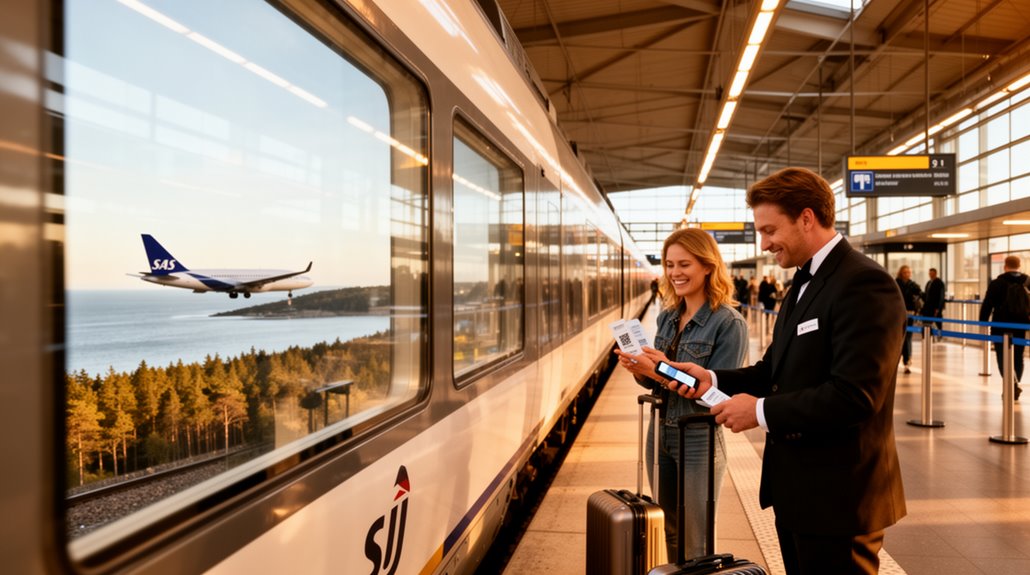
Flexibility might just be the most underrated perk of train travel — and SJ appears to actually deliver here.
Their flexible tickets let you make same-day changes without getting hit by change fees. You’ll pay any fare difference, sure, but that’s it.
Full refunds before departure? Also on the table, minus a small 4% fee. Not perfect, but pretty reasonable.
Meanwhile, airlines seem locked into a different philosophy entirely.
Want to switch your flight? That’s likely €50–€150+ gone, sometimes more. For anyone bouncing between Copenhagen and Stockholm, the contrast is hard to ignore. Booking flexibility genuinely exists on rails. On planes? Not so much. Kind of a wild concept when you think about it. You can easily book tickets online or through apps, making last-minute changes even more convenient. If something does go wrong with your SJ journey, you can submit refund claims within 3 months to their Customer Service with proper documentation. Keep in mind that when disruptions involve different train operators, such as connecting from a DB service to an SJ train, refund claims may need to be filed separately with each company.
Frequently Asked Questions
Does the SJ Train From Copenhagen to Stockholm Have a Dining Car?
SJ high-speed trains operating between Copenhagen and Stockholm include a bistro/restaurant car offering salads, sandwiches, warm meals, snacks, and hot and cold drinks. Both first and second class passengers may access this facility. When planning your journey, consider the firsttime sleeper train essentials to ensure a comfortable experience. Packing lightweight luggage, a travel pillow, and a good book can enhance your travel time. Additionally, bringing snacks and a refillable water bottle will keep you refreshed throughout the trip.
Can I Stop in Malmö During My Copenhagen to Stockholm Rail Journey?
Yes, stopping in Malmö is possible by booking the journey in two separate legs—Copenhagen to Malmö via Øresundståg, then Malmö to Stockholm on SJ high-speed trains—allowing travelers to visit the city between connections.
Are There Quiet Cars Available on Copenhagen to Stockholm Trains?
SJ high-speed trains operating the Malmö–Stockholm segment offer designated quiet carriages, particularly in 1st class. Passengers can select quieter coach sections through SJ’s booking system. The Copenhagen–Malmö leg typically lacks formal quiet zones.
How Many Daily Train Departures Run Between Copenhagen and Stockholm?
Between 6 and 17 trains operate daily on the Copenhagen-Stockholm route. High-speed services account for approximately 6 departures, while including connections and multiple operators raises the count to 14-17 bookable options. For travelers looking to explore beyond the city limits, there are many best day trips from Paris that offer a diverse range of experiences. These excursions can take you to enchanting locations such as Versailles or the scenic beauty of Normandy. With a variety of transportation options available, planning these short getaways is both convenient and rewarding. Travelers can enhance their adventures by embarking on picturesque train journeys across Europe, which offer stunning views and unforgettable experiences. From the majestic Alps to the charming countryside of Tuscany, each route presents its own set of breathtaking landscapes and cultural discoveries. As you travel through these scenic locales, you’ll find that each stop is brimming with unique attractions waiting to be explored.
What Scenic Swedish Countryside Views Can Passengers Expect During the Journey?
Passengers encounter dense pine and birch forests, numerous small lakes, traditional red wooden cottages, and rolling farmland with cultivated fields. The landscape transitions from forested wilderness near Stockholm to open agricultural plains approaching Malmö.
Parting Shot
The numbers tell the story. Five hours by train versus six hours of airport chaos. Ninety percent less carbon. No baggage fees. Actually usable Wi-Fi. The Copenhagen to Stockholm rail journey just makes sense. Sure, flying sounds faster. It isn’t. Not when reality includes security lines, transfers, and sitting on a runway. Sometimes the old-school option wins. This is one of those times. Train travel between Paris and Berlin offers a scenic route filled with stunning landscapes that you simply miss in the air. Plus, you arrive right in the heart of both cities, making it easier to start your adventure without the hassle of additional transport. The comfortable seating and spacious carriages allow for a relaxing journey to enjoy the views and plan your itinerary.