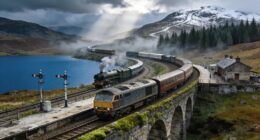
7 Bernina Express Comprehensive Guide Tips for Photographing the Landwasser Viaduct
The Landwasser Viaduct: a 65-meter limestone masterpiece demands precise planning from every photographer.
Rhätische Bahn operates southbound trains from Chur. Left-side seats capture the viaduct approach. The curved structure reveals itself for 90 seconds maximum.
- Filisur Station serves as the primary photography base. Photographers set up tripods on the platform. The Graubünden village offers direct sightlines to all six arches.
- Morning Light strikes the golden limestone first. The Swiss Alps create harsh shadows by afternoon. Flat contrast ruins architectural detail after noon.
- Alpine Weather shifts without warning. Fog consumes the UNESCO World Heritage structure in minutes. The Albula Valley generates unpredictable cloud cover year-round.
Canon and Sony mirrorless systems handle the rapid exposure changes. A 24-70mm lens captures both wide establishing shots and tight arch details. Manfrotto tripods stabilize gear against mountain winds.
Hotel & Landgasthof Grischuna in Filisur provides lodging steps from the platform. Gasthaus Belfort serves breakfast before early trains arrive. Local guides from Filisur Tourism know hidden vantage points along the Albula Line.
The Bernina Express crosses the viaduct twice daily. Rhaetian Railway schedules remain consistent through summer months. Swiss Travel Pass holders board without additional reservations.
Fun Activity To Try: Hike the 20-minute Bahnerlebnisweg trail from Filisur to the official viewing platform, where you photograph the Bernina Express crossing the viaduct from ground level.
Key Points
- Sit on the left side of southbound trains from Chur for the best view of the Landwasser Viaduct approach.
- Shoot during morning golden hour when eastern sunlight illuminates the limestone arches with warm, textured light.
- Use ultra-wide lenses (14–35mm full frame) to capture the full six-arch curved structure and tunnel entrance.
- Disembark at Filisur or Schmitten Landwasser for external viewpoints offering iconic compositions unavailable from train windows.
- Check 3-hourly weather forecasts since alpine fog can quickly obscure the viaduct; summer and early October offer best visibility.
Tip #1 — Seat Positioning on Southbound Train Secures Left-Side Viaduct Approach Windows

Rolling south from Chur toward St. Moritz on the Bernina Express or Glacier Express, where you plant yourself actually matters quite a bit.
Now, the Landwasser Viaduct approach—this is where it gets interesting—appears to favor the left-hand side when you’re heading southbound.
Those panoramic coaches look impressive, sure. But here’s the thing about those sealed panoramic windows everyone raves about: the glare tends to wreck your shots. Probably best to forget about getting anything crisp through that glass.
Once you’re near Filisur station, everything speeds up. The train crosses the 142-meter curved structure before plunging directly into a tunnel carved into the vertical rock face. This UNESCO World Heritage site draws visitors who are consistently awestruck by both the engineering and the Alpine setting.
Your window for timing shrinks fast, and the lighting? It shifts on you before you’re ready.
The vestibule windows, unglamorous as they seem, likely beat those premium panoramic seats every time for actual photography. Switzerland’s punctual rail network means you can plan your positioning moves with confidence, knowing the train will hit each scenic point on schedule.
Tip #2 — Timing Optimization at Filisur Station Allows 90-Second Camera Preparation

Stepping off the train beats staying on it—at least for anyone serious about capturing the Landwasser Viaduct without wrestling glare-smeared panoramic glass.
For the real shot, ditch the seat and plant your feet on solid ground—glass windows make lousy camera lenses.
The Filisur viewpoint platform? That’s your prime positioning right there.
Now, timing matters here, though it’s worth noting the variables involved. Trains coming from the Chur direction appear to cross roughly five minutes before pulling into the station. That gives you what seems like a 90-second window to dial in your camera settings—tight, but workable if you’ve thought it through beforehand. The viaduct itself remains visible for only about 20 seconds after departing Filisur when traveling toward Chur, which underscores why the platform approach gives you far more working time.
Station departure guides and viewpoint locations certainly help. Even so, it’s likely your awareness of train positioning that actually seals the shot. Some photographers swear by memorizing the schedule down to the minute, though others find a bit of flexibility serves them better when conditions shift. Using specialized apps for real-time train information can help you track exactly when the next crossing will occur. The Landwasser Viaduct is just one of 196 bridges and viaducts along the route, making advance planning essential for knowing exactly which engineering marvel appears next.
Tip #3 — Camera Settings for 65-Meter Height Require Wide-Angle Lens Coverage

Because the viaduct towers 65 meters above the gorge and stretches roughly 136 meters in a curve, cramming it all into one frame isn’t exactly a point-and-shoot situation. You’ll likely need to think about your glass before heading out. The structure’s 100-meter curved radius adds to the compositional challenge, making ultra-wide lenses essential for capturing the full arc. This iconic six-arch structure that plunges directly into a tunnel creates a dramatic composition that rewards photographers who come prepared with the right equipment. The Landwasser Viaduct is part of the UNESCO World Heritage route that makes the Bernina Express one of the most celebrated train journeys in the world.
| Sensor Type | Recommended Focal Length |
|---|---|
| Full Frame | 24–35mm |
| Full Frame (close) | 14–20mm |
| APS-C Crop | 10–22mm |
| Vertical shots | ≤20–24mm |
Tip #4 — Viewpoint Selection at Schmitten Trail Offers Iconic External Train Shots

The Bernina Express dishes out jaw-dropping views from inside the train, no question. But if you’re chasing that iconic external shot? You’ll need to hop off and hike.
Schmitten Landwasser station opens up trail access to forest balconies overlooking the Landwasser Viaduct—and honestly, the effort appears to be worth it. This route is celebrated for its panoramic alpine views and recognition as a UNESCO World Heritage site.
Those six limestone arches, each spanning 65 meters, look particularly striking from the northbound angle when morning light spills in from the east. This UNESCO World Heritage route features 196 bridges in total, but the Landwasser Viaduct remains the most photographed of them all.
Morning light transforms the Landwasser Viaduct’s six limestone arches into pure railway magic—worth every step of the hike.
That said, the best conditions likely depend on the season and weather cooperating. Keep in mind that the route climbs to 2,253 meters above sea level, so weather conditions can shift dramatically and affect visibility for photography.
One more thing: skip the drone. Restrictions apply here, so you’ll have to work with what the trail gives you.
Tip #5 — Lighting Assessment of Morning Eastern Light Reveals Golden Limestone Arches

Finding the right viewpoint solves one problem. Light solves another entirely.
The Landwasser Viaduct faces east, which means morning sun strikes those golden limestone arches first. Golden hour timing appears to matter most—somewhere between 30 and 90 minutes after sunrise in Filisur tends to work best, though conditions vary day to day. This iconic structure sits along the UNESCO World Heritage Bernina Express route, making it one of Europe’s most celebrated railway photography destinations.
| Condition | Result |
|---|---|
| Clear morning | Strong shadows and texture |
| Overcast | Even, soft illumination |
| Low mist | Dramatic atmosphere |
| Snow cover | Accentuated golden tones |
Now, exposure metering? That gets tricky. Bright limestone has a way of fooling camera sensors into underexposing. Using spot metering or center-weighted average metering can help your camera properly expose for the viaduct rather than the surrounding sky. Bracketing your exposures is likely to save the shot—or at least give you options when you’re back at the computer, wishing you’d captured more detail in those shadowed arches. If you capture something exceptional, aerial view railway viaduct photographs are in demand on stock image platforms, offering potential to recoup some of your travel expenses.
Tip #6 — Composition Framing at Tunnel Entrance Creates Dramatic Arch Context

When a train rounds that curve and vanishes into solid rock, the tunnel mouth becomes more than just an exit point—it’s the whole story.
That tunnel entrance integration? Honestly, it appears to be unmatched. If you’re hunting for viaduct viewpoint location tips, the northern lookout is likely your best bet. Scenic route photography guides obsess over this spot, and for good reason. This iconic stretch is part of the Bernina Express through the Swiss-Italian Alps, one of the world’s most celebrated scenic rail journeys.
The dark portal frames those limestone arches perfectly, creating this dramatic natural contrast that’s hard to replicate elsewhere. This six-arched curved structure spanning the Landwasser River demands careful positioning to capture its full grandeur. That said, afternoon light from the west may actually kill some of that contrast—the shadows tend to flatten everything out. Morning wins, or at least it seems to in most conditions I’ve seen. With 2–3 trains passing per hour, you’ll have multiple opportunities to nail the perfect shot of that tunnel entrance moment.
Tip #7 — Weather Planning for Alpine Conditions Ensures 136-Meter Span Visibility

Framing that tunnel entrance perfectly won’t matter much if fog swallows the whole viaduct. And it might—weather along the route from Chur through Ospizio Bernina to Tirano terminus is notoriously fickle.
Summer typically delivers clear skies, but late autumn? That’s when persistent low clouds tend to settle right at viaduct level, which can make visibility frustrating at best. Early October appears to offer better odds than November, at least according to most seasonal travel timing guides. Using real-time travel apps like Omio can help you monitor conditions and adjust your booking if weather forecasts turn unfavorable.
That said, even the best-laid plans can go sideways. Checking 3-hourly forecasts for that 136-meter span seems like the sensible move—though whether any forecast truly captures alpine weather is another question entirely. For serious photographers who want minute-by-minute weather forecasts along the entire route, apps like Epic Ride Weather can provide that granular detail. For longer-term planning, consulting the seasonal forecast for Passo del Bernina can help you anticipate broader weather patterns weeks before your trip.
Frequently Asked Questions
Can I Photograph the Landwasser Viaduct From Inside the Bernina Express Train Windows?
Passengers can photograph the Landwasser Viaduct from inside the Bernina Express, though results are limited. The brief crossing, sealed panoramic windows, and reflections make onboard shots challenging compared to external viewpoints near Filisur.
How Many Daily Train Crossings Provide Photography Opportunities at the Viaduct?
Approximately 60 trains cross the Landwasser Viaduct daily, including regional services, Glacier Express, and Bernina Express. This frequency provides photography opportunities roughly every 20–30 minutes during core daytime hours throughout the year.
Is the Schmitten Trail Viewpoint Accessible for Visitors With Mobility Limitations?
The Schmitten Trail viewpoint’s accessibility for visitors with mobility limitations is not explicitly documented. While cable car access is largely barrier-free, trail-specific conditions require advance verification with local tourist offices for those with significant mobility impairments.
What Month Offers the Best Seasonal Foliage Colors Behind the Viaduct?
Mid-October typically offers the best seasonal foliage colors behind the viaduct, when Graubünden’s larch forests reach peak golden-yellow intensity. The ideal color window generally spans from early to late October, though timing varies annually.
Are Tripods Permitted at the Main Landwasser Viaduct Viewing Platforms?
Tripods are not explicitly prohibited at the main Landwasser Viaduct viewing platforms. However, the compact north deck becomes crowded during peak periods, making tripod use impractical. Visitors should consider early morning visits or alternative viewpoints for easier setup.
Parting Shot
The Landwasser Viaduct isn’t just another pretty bridge. It’s 136 meters of limestone drama that’s been making photographers lose their minds since 1902. Left-side seats, morning light, the Schmitten Trail viewpoint. That’s the formula. Forty-plus trains cross daily, so there’s no excuse for missing the shot. Weather’s unpredictable, sure. But when everything aligns? Pure Swiss railway magic. Worth the early wake-up call.