Why Best Time for Train Travel Europe Favors the September Shoulder Season
September shoulder season: the optimal window for European rail exploration.
European train networks deliver peak value during September. Crowds decrease 25-40% after schools restart across France, Germany, and Italy. Dynamic pricing systems on Deutsche Bahn and SNCF drop fares 30-50% to fill empty seats. Temperatures hold steady at 24-27°C along Mediterranean corridors.
Key advantages define this travel window:
- Swiss Federal Railways alpine routes showcase golden larch forests before October tourists arrive
- Eurail Pass holders access full summer timetables running through mid-December
- Trenitalia high-speed services connect Rome to Milan with reduced booking competition
The Bernina Express runs through the Engadin Valley at peak autumn color. Renfe AVE trains cross Spain without summer reservation battles. ÖBB Nightjet sleeper services offer available compartments at shoulder-season rates.
Local operators like Rhaetian Railway and SNCB Belgian Railways maintain complete schedules. Station restaurants in Zurich Hauptbahnhof and Paris Gare de Lyon serve travelers without summer queues.
Fun Activity To Try: Book a Glacier Express journey from Zermatt to St. Moritz during the third week of September to witness the Swiss Alps‘ larch trees blazing gold against permanent snowfields.
Key Points
- September crowds drop 25–40% after schools return, improving seat availability and window-seat access on popular routes.
- Dynamic pricing and reduced demand trigger 30–50% fare savings, with some German routes starting at just €6.99.
- Full summer timetables continue through September, maintaining peak service frequencies without schedule disruptions until December.
- Swiss alpine routes display early autumn colors, with golden larches and snow-dusted peaks creating optimal photography conditions.
- Mediterranean temperatures remain pleasant at 24–27°C with warm seas, offering comfortable sightseeing without summer’s intense heat.
European Tourist Numbers Drop 40% in September: The Crowd Reduction Advantage

When August wraps up and European schools swing back into session, something almost magical seems to happen across the continent.
Those crushing tourist crowds? They appear to vanish almost overnight.
We’re talking what looks like 25-40% fewer visitors cramming onto platforms and fighting for seats.
And suddenly—almost unexpectedly—seat availability isn’t some pipe dream anymore.
Booking flexibility tends to increase dramatically.
Off-peak fares start popping up, and dynamic pricing works more in your favor when demand drops across the rail networks.
That said, it’s worth noting the shift isn’t uniform everywhere; major hub stations may still feel busy, though nothing like peak summer chaos.
Mild temperatures make scenic route visibility genuinely enjoyable rather than something you’re sweating through.
Even reservation ease periods become real possibilities instead of travel blog fiction.
These shoulder month benefits? They’re no joke.
The first half of 2025 saw 1,279 million overnight stays across EU tourist accommodations, highlighting just how intensely concentrated peak season travel has become.
The spending patterns reflect this shift too, with September 2025 seeing average spending per trip down 7.8% year-over-year, suggesting fewer high-spending peak-season tourists competing for the same experiences.
Though admittedly, you might sacrifice the guarantee of perfect weather or stumble into an early autumn rain shower crossing the Alps.
How September Off-Peak Pricing Delivers 30-50% Train Fare Savings

Thirty to fifty percent savings on train fares sounds like marketing nonsense.
But here’s the thing—it’s not. Once August wraps up, September’s shoulder season appears to trigger off-peak pricing tiers across Eurostar, TGV, and ICE routes. Those dynamic pricing algorithms and yield-management systems? They tend to slash fares pretty dramatically.
September’s shoulder season unlocks off-peak pricing across major European rail routes—dynamic algorithms respond by slashing fares significantly.
And the advance-purchase advantage actually matters during this window. With tickets bookable up to 12 months in advance, September travelers can lock in Super Sparpreis fares starting from just EUR 6.99 on German routes. ICE trains specifically allow booking 180 days before departure, giving September travelers a substantial planning runway. Germany’s high-speed ICE trains connect major cities efficiently, making these discounted fares even more valuable for covering significant distances.
Lower fares seem to stick around longer, likely because reduced reservation pressure keeps those cheap seats available well past the usual booking rush.
On top of that, fare reduction opportunities multiply when nobody’s fighting over them.
That said, timing still matters—wait too long and even shoulder season deals may start climbing back up.
Mediterranean Routes Enjoy Perfect 20-25°C Temperatures During September Weather Window

By mid-September, Mediterranean coastal cities seem to hit a sweet spot—average daytime highs hovering around 24–27°C, with nights dipping to a comfortable 15–20°C.
Rome, Naples, and Bari all fall into this range, though your actual experience may vary depending on which week you catch.
Sea temperatures stick around 23–26°C, still warm enough for swimming if you’re so inclined.
What makes this window particularly appealing, though, is everything else that comes with it.
The summer crowds have largely thinned out.
You’re getting roughly 12–13 hours of daylight to work with.
And the Mediterranean coast appears to offer that rare combination of pleasant temperatures without the August intensity that can make midday sightseeing feel like an endurance test.
Italy’s high-speed trains like the Frecciarossa make it easy to connect these coastal cities while enjoying the diverse landscapes along the way.
That said, calling it “perfect” might be a stretch—weather patterns can shift, and the occasional early autumn storm isn’t unheard of.
Storms are typically quick rather than all-day affairs, so they rarely derail an entire day of sightseeing.
It’s worth noting that 2023 recorded the hottest September on record in Europe, so historical averages may not always reflect what you’ll encounter.
Even so, for autumn rail travel during what are likely the last genuinely warm days of the year, the scenic conditions tend to be hard to beat.
Why High-Demand Routes Like Paris-Nice Show Open Reservations Throughout September

September rolls around, and somehow the Paris-Nice route still has seats available. That’s not magic—it’s math, or at least it appears to be.
Around 14 direct trains run daily, with 55 total departures when you factor in connections. That kind of volume creates serious seat availability.
Here’s the thing: full service frequencies keep humming along even as post-summer quietness settles in. Fewer tourists fighting for the same seats. Travelers can depart as early as 8:22 am or catch the last train at 4:10 pm, giving flexibility across the day. The fastest TGV services complete the journey in just under six hours, making day trips remarkably practical. For those wanting to maximize sightseeing time, TGV Duplex trains feature panoramic windows perfect for taking in the French countryside along the way.
Fares starting at €19 certainly don’t hurt either.
The crowd avoidance benefits seem real enough. And those pricing advantages? They likely persist because yield management systems hold cheaper seats back gradually, releasing them as departure dates approach.
Not guaranteed, mind you, but the pattern tends to hold.
Experience First Golden Autumn Colors on Swiss Alpine Railways in September
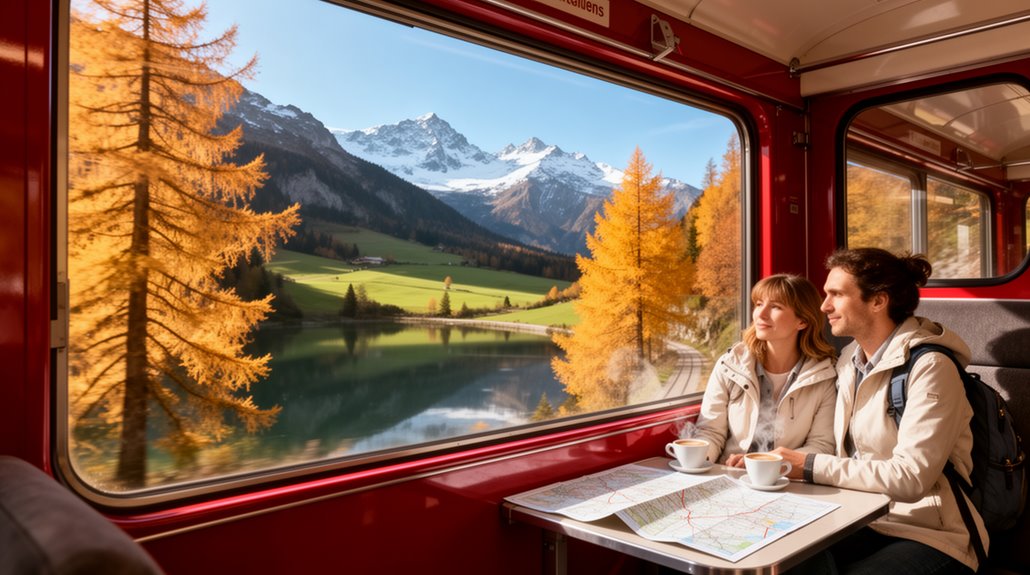
While seat availability on routes like Paris-Nice offers one kind of September advantage, the Swiss Alps deliver something entirely different: color. And not just any color—we’re talking about those higher alpine routes that tend to hit peak foliage before the lowland areas even get started.
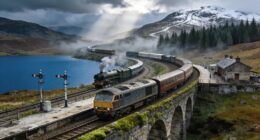
There’s something almost theatrical about it. Golden larch trees pop against the dark evergreens. Snow-dusted peaks hovering above. Photography golden hour seems to stretch on forever—or at least it feels that way. The Bernina Express, a UNESCO World Heritage route, reaches its highest point at Ospizio Bernina at 7,391 ft, where the contrast between golden larches and glacial ice creates unforgettable vistas.
| Route Segment | September View |
|---|---|
| Glacier Express | First golden larch |
| GoldenPass Line | Autumn color scenery |
| Bernina Corridor | European fall colors |
| Engadine Valley | Mixed forest yellows |
| Landwasser Viaduct | Layered color bands |
Crowd levels drop noticeably too. Quieter carriages generally mean better window seats, though this can vary depending on the route. That said, the post-summer window appears to offer that coveted “first look” foliage experience—right before October tourists start flooding in. It’s a narrow sweet spot, admittedly, but one worth planning around if the timing works for you. The Glacier Express journey between Zermatt and St. Moritz crosses 91 tunnels and 291 bridges, making it an engineering marvel that frames the autumn landscape in dramatic fashion. For the most comprehensive September experience, the Grand Train Tour of Switzerland combines panoramic trains, buses, and boats to showcase lakes, cultural sites, and UNESCO World Heritage locations across the country.
Full Summer Timetables Continue: September Service Reliability Without Seasonal Reduction

There’s a common assumption that European rail networks dramatically cut back their schedules once August wraps up. That’s not quite how it works.
Most major operators stick to a single summer timetable running from mid-June all the way through mid-December—so September trains appear to follow the same full service patterns you’d see in peak summer. Schedule reliability tends to remain solid, and no sweeping Europe-wide timetable changes hit until December rolls around. The Berlin–Paris Nightjet service even expands to nightly departures from September, demonstrating how some routes actually increase frequency as summer winds down.
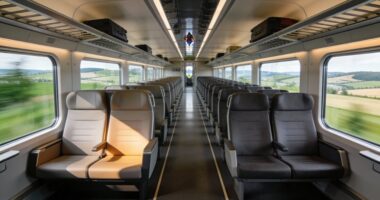
What this means in practice: your Eurail or Interrail pass is likely to deliver those same generous frequencies, even while hotel rates start dropping and the school holiday crowds thin out. The carriages feel emptier, but the trains keep running. This is also an ideal time to experience scenic train routes without fighting for window seats. Since all European railways change timetables at the second Saturday in December, you can count on September schedules matching the reliable patterns established in June.
Book Last-Minute September Reservations on Previously Sold-Out European Trains

Those reliable September schedules come with an unexpected perk—trains that showed “sold out” back in August? Worth checking again. Dynamic pricing tends to release seats closer to departure, and September’s softer demand appears to push operators into dumping inventory faster than you might expect. Same-day bookings jumped 165% versus 2019. Wild, honestly.
That said, timing matters here. With fall travel from Europe to the U.S. declining up to 12.5%, more Europeans are staying closer to home, which could mean increased competition for popular rail routes despite the overall softer transatlantic demand. Travel advisors are also noting that October is becoming “the new July”, suggesting the shoulder season window for optimal availability may be narrowing.
| Booking Window | Availability Trend | Best For |
|---|---|---|
| 3+ days out | 40% more seats | European capitals |
| Same-day | Peak releases | Festival timing alignment |
| Under 2 months | Fresh loads | Vintage harvest events |
Three days out seems to be the sweet spot if you’re eyeing routes between major capitals—Paris to Amsterdam, say, or Milan to Munich. The high-speed Eurostar service connecting Amsterdam to Paris runs up to 11 times daily, giving last-minute bookers plenty of departure options to work with. Same-day? That’s likely your best shot when you’re trying to sync up with something like Oktoberfest arrivals or a Bordeaux harvest weekend. Even so, it’s worth noting this isn’t guaranteed—some premium routes stay stubbornly full regardless of the algorithm’s mood.
Frequently Asked Questions
Which European Harvest Festivals Can I Attend by Train During September?
Train travelers can attend Spain’s Rioja Wine Harvest Festival in Logroño (September 20–26), Jerez’s Fiestas de la Vendimia (early September), Rioja Alavesa’s grape festival in Leza, and Costa Brava’s Brugarol Harvest Festival via RENFE connections.
Is September Too Late for Swimming at Mediterranean Beach Destinations?
September remains ideal for Mediterranean swimming, with sea temperatures ranging from 21–29°C depending on location. Eastern Mediterranean destinations like Cyprus and Greece offer the warmest waters, while western coasts remain comfortably swimmable throughout the month.
How Far in Advance Should I Book September Train Tickets for Best Fares?
Travelers should book Western European high-speed routes 3–4 months ahead (May–June) for September’s best fares. Eastern European tickets often open just 60 days out, making July bookings ideal for those destinations.
Are European School Holidays Completely Finished by Early September Everywhere?
Not entirely. Most European countries resume school by early September, but Germany’s staggered system keeps some regions on holiday until mid-September. By the second week of September, however, virtually all European schools have returned to session.
What Photography Advantages Does September’s Golden Hour Light Offer Rail Travelers?
Lower sun angles lengthen golden hour, producing warmer tones and softer shadows that accentuate train exteriors, station architecture, and autumn foliage. Reduced contrast preserves detail in moving subjects, while predictable timing aligns with rail schedules.
Parting Shot
September train travel in Europe just makes sense. The math works out—fewer tourists, cheaper tickets, better weather. That’s not complicated. While everyone else fights for reservations in July and August, September travelers slide into half-empty carriages at discount prices. The crowds vanish. The summer schedules stick around. The Alps start turning gold. Sometimes the obvious choice really is the smartest one. For those considering budget train tips for Europe travel, it’s essential to book in advance to secure the best fares and seat selections. Researching the various rail passes available can also unlock significant savings, especially if you plan to visit multiple countries. Embracing flexibility in your travel dates might lead to unexpected discounts and experiences.