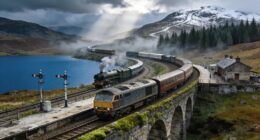
How Unforgettable Global Train Journeys on Machu Picchu Train Routes Access Ancient Wonders
Machu Picchu train routes: narrow-gauge railways connect Ollantaytambo to the ancient Incan citadel through the Sacred Valley of Peru. The Urubamba River canyon serves as the corridor. The journey takes two hours.
- PeruRail Vistadome provides panoramic glass-ceiling cars for unobstructed Andes Mountain views
- Inca Rail offers four-diamond service through UNESCO World Heritage landscapes
- Aguas Calientes functions as the gateway town where Consettur shuttle buses transport visitors upward
The trains depart from Ollantaytambo station in Cusco Region. Terraced hillsides reveal ancient agricultural engineering. Adobe villages dot the riverbanks. Snow-capped peaks frame each window.
PeruRail operates the Hiram Bingham luxury service. Inca Rail runs the 360° Observatory car. Both companies traverse the same single track along the Vilcanota River system. The scenic landscapes of Peru’s heritage provide an unparalleled backdrop for these journeys. As travelers gaze out from their luxurious seats, ancient ruins and vibrant cultures unfold before their eyes. Each twist and turn of the track reveals the rich history and breathtaking beauty that make Peru a top destination for adventurers.
The railway ends at Machu Picchu Pueblo. Shuttle buses make the 25-minute ascent to the 15th-century ruins. The citadel sits at 2,430 meters elevation. Emperor Pachacuti built it during the Inca Empire’s height.
Local guides from Aguas Calientes lead tours through the Temple of the Sun. Restaurants like Indio Feliz serve passengers before departure. The Belmond Sanctuary Lodge sits steps from the entrance gate.
Fun Activity To Try: Book a window seat on PeruRail’s Vistadome afternoon return to capture golden-hour photographs of Huayna Picchu reflected in the Urubamba River.
Key Points
- Narrow-gauge trains wind through the Urubamba River canyon from Ollantaytambo to Aguas Calientes, the gateway terminal for Machu Picchu.
- Panoramic windows and glass-ceiling observation cars transform the journey into a rolling photography studio framing terraced hillsides.
- The railway follows ancient trade corridors once walked by Inca traders, connecting travelers to the 15th-century citadel.
- Shuttle buses from Aguas Calientes provide 25-minute rides up Hiram Bingham Highway directly to the archaeological site.
- Luxury services like Belmond Hiram Bingham offer 1920s-style dining cars with gourmet Peruvian cuisine during the scenic journey.
Ride the Sacred Valley Narrow Gauge PeruRail Through Traditional Andean Village Markets

Boarding a narrow-gauge train in Peru’s Sacred Valley feels like stepping into a postcard that actually moves. There’s something almost surreal about it.
PeruRail’s tracks wind from Ollantaytambo toward Aguas Calientes, hugging the Urubamba river canyon in a way that appears engineered as much for drama as transportation. Panoramic windows frame terraced hillsides and adobe villages—though whether those terraces date back centuries or represent more recent agricultural work isn’t always clear from a passing train. Ollantaytambo itself remains the best-preserved example of Inca urban planning, with ancient canals still functioning in its historic neighborhoods.
Traditional textile displays pop up onboard, which some travelers may find charming while others might see as a bit touristy. The return journey features local music and traditional dances, adding cultural immersion to the scenic experience. Passengers are treated to sophisticated dining that elevates the journey beyond simple transportation. That said, the whole journey takes maybe two hours.
Not bad for accessing one of humanity’s most jaw-dropping archaeological sites, even if the route itself is likely more comfortable than anything the Incas ever experienced getting there.
What Makes Ollantaytambo the Perfect Ancient Temple Access Railway Departure Point?

Most travelers have their eyes fixed on Machu Picchu itself—understandable, really—but the departure point probably deserves more than a passing glance. Ollantaytambo station sits at 2,800 meters, which may actually work in your favor for altitude acclimatization before you board.
Ollantaytambo sits at 2,800 meters—a altitude advantage most travelers overlook in their rush toward Machu Picchu.
And the sacred valley route? Pre-Columbian terracing unfolds right outside your window, no craning necessary.
Both PeruRail and the Belmond Hiram Bingham run daily departures from here. On top of that, Inca trail access begins nearby, so it’s not just a waypoint—it’s a genuine starting place. The station offers bilingual staff and essential amenities, making the boarding process straightforward for international visitors.
The streets still carry that lived-in ancient feel. Narrow cobbled streets wind past traditional adobe buildings, many constructed on original Inca foundations that date back centuries. Like other iconic rail journeys worldwide that showcase natural landscapes and cultural heritage, the route from Ollantaytambo provides travelers with unique perspectives on history and terrain. Whether that makes it “perfect” is probably subjective, but as a launchpad for Machu Picchu train routes, it appears to tick most of the boxes.
Pre-Columbian Terraced Vistas: The Sacred Valley’s Most Photographed Mountain Railway Expedition

The terraces steal the show before the train even picks up speed—honestly, it’s almost unfair to everything else on the itinerary.
Winding along those sacred valley narrow gauge tracks, you start to notice pre-Columbian terraces carved into slopes that seem impossibly steep, the kind of engineering that makes you wonder how anyone managed it without modern equipment.
There’s a reason the Machu Picchu train features observation cars with panoramic windows and glass ceilings. Upon boarding, passengers are greeted with Andean infusion tea served in the Observatory Bar, setting the tone for the scenic experience ahead.
That said, calling them “Incan terraces” isn’t quite accurate; terraced agriculture in this region appears to predate the Incas themselves, though the empire certainly perfected the technique. The citadel itself was built in the 15th century by the Inca civilization before being rediscovered by historian Hiram Bingham in 1911.
The journey toward Aguas Calientes terminal? It functions as something like a rolling photography studio, though whether that’s a feature or a tourist trap probably depends on your patience for selfie sticks. While this route showcases spectacular natural views unique to the Andes, it shares a kinship with other renowned scenic railways that combine cultural immersion with breathtaking landscapes.
Experience Gourmet Peruvian Cuisine at Altitude Aboard Belmond Hiram Bingham

Once passengers settle into the polished wood dining cars of the Belmond Hiram Bingham, the real spectacle isn’t just outside the panoramic windows—it’s on the plate.
Chef Jorge Muñoz crafts what appears to be haute Peruvian gastronomy at its finest during this Andes mountain crossing. Cured trout ceviche. Native potato salads that likely showcase ingredients most travelers have never encountered. And between bites? Cloud forest views that seem almost impossible to pull your attention away from. Bilingual guide commentary weaves through the experience, though one could argue the scenery speaks loudly enough on its own as you roll through heritage railway carriages. The train’s elegant 1920s aesthetic is completed by brass fittings that gleam against the polished wood interiors.
The twilight dining experience begins with a refreshing Pisco Sour as passengers depart from Machu Picchu en route to Poroy. Much like the dome observation windows found on North America’s premier luxury trains, the panoramic viewing areas ensure no dramatic landscape moment goes unnoticed.
| Feature | Details |
|---|---|
| Lunch | Four-course with Peruvian wines |
| Dinner | South American-inspired fine dining |
| Cocktails | Aaron Diaz’s exclusive Pisco creations |
| Dining Cars | Two restaurant cars, vintage luxury |
| Service | Maître d’-led, synchronized courses |

Choosing between Inca Rail’s premium tiers and Peru Rail’s scenic options feels genuinely tricky when both promise heritage-style journeys through the same ancient Urubamba canyon landscapes.
Both rail companies chase the same spectacular canyon views—your choice ultimately comes down to which onboard extras matter most.
The 360° service features those glass-dome windows everyone photographs, plus boxed meals—though whether that qualifies as premium may depend on your expectations.
First Class appears to step things up considerably with reclining seats, gourmet dining service, and live music that likely adds atmosphere during the ride. Then there’s Premium & Lounge, which combines bar cars with a balcony observation experience for those who want to feel the mountain air directly.
Worth noting, though: you won’t find actual heritage steam locomotives on this route. Modern coaches handle the journey to these ancient temple sites. That said, the scenery itself—not the rolling stock—seems to be what most travelers are really paying for. For those seeking the ultimate exclusive experience, Inca Rail’s The Private offers a customizable private charter accommodating up to eight passengers. Peru Rail counters with its Hiram Bingham service, a luxury experience featuring five-star hotel-style service, gourmet cuisine, and live music that commands around $482–$500 per one-way section.
Both services maintain a formal dress code that enhances the refined atmosphere, much like the elegant train journeys found elsewhere in the world of luxury rail travel.
Marvel at the Historic Urubamba River Trade Route Through Glass Roof Panoramic Carriages

Long before tourists started snapping photos through glass-domed ceilings, the Urubamba River corridor was already humming with activity. Llama caravans hauled maize and coca leaves along this path—a historic route that cultural discovery scholars now trace back centuries, though the exact timeline remains somewhat debated. This river served as a vital artery linking Cusco with tropical lowlands, where traders acquired exotic birds and gold along with other luxury goods.
Today’s scenic railway follows that same heritage corridor. What Inca traders once walked, mountain railway engineering eventually conquered. The Urubamba itself flows onward to join the Mishagua River, part of a vast network that explorers like Carlos Fermín Fitzcarrald navigated in 1893 while seeking rubber trade routes to the Amazon.
Book a sunrise departure and you’ll arrive early enough to catch the light just right. Colonial architecture stations appear along the way, punctuating the journey with glimpses of another era. Modern travelers seeking similar immersive experiences often find themselves drawn to iconic train journeys that blend natural beauty with cultural heritage. And the mountain crossing views? They’re pretty solid, even if the glass roof experience feels a bit curated for some tastes. scenic train journeys through Switzerland offer breathtaking panoramas of snow-capped peaks and lush valleys that can make any traveler feel like they’re in a postcard. The tranquility of the ride, combined with the stunning landscapes, creates a captivating experience that lingers long after the final destination is reached. Plus, the unique charm of every Swiss town along the route adds an extra layer of enchantment to an already unforgettable journey.
Your Journey Culminates at Aguas Calientes Terminal Before Machu Picchu Sanctuary Access

Every train journey on this route ends the same way—at Aguas Calientes. The railway cuts through jungle, carving its path until it finally deposits travelers at the gateway terminal. Your high-altitude Andean expedition appears to conclude here. But that’s not quite right, is it?
With the switchback sections now behind you, the next leg involves shuttle buses winding up the Hiram Bingham Highway. The 25-minute uphill ride offers stunning views of the Urubamba River and lush mountains along the way.
There’s something worth noting: accessing the archaeological site likely requires catching that bus ride if you’re hoping to reach the summit viewing area by sunrise. The first buses depart at 5:30 AM with service running every five minutes during peak morning hours.
It’s a detail easy to overlook in the excitement. Unlike most train stations where travelers typically arrive just minutes before departure, planning your connection from Aguas Calientes to the ruins requires more careful advance timing coordination.
As for return journey logistics? Most travelers seem to figure those out later—though that approach may not suit everyone.
Frequently Asked Questions
What Altitude Sickness Precautions Should Travelers Take During the Train Journey?
Travelers should acclimatize in Cusco or Sacred Valley for 1-2 days beforehand, stay well-hydrated, avoid alcohol, eat light carbohydrate-rich meals, move slowly onboard, and recognize symptoms like headache, nausea, and dizziness requiring attention.
How Far in Advance Should Tickets Be Booked During Peak Season?
Travelers should book Machu Picchu entry tickets several months in advance during peak season (April–October), with Huayna Picchu and mountain hikes requiring 3–4 months lead time. Train tickets warrant likewise early booking to secure preferred departures.
Are the Machu Picchu Train Routes Wheelchair Accessible for Disabled Travelers?
Machu Picchu train routes offer partial wheelchair accessibility, requiring transfers from wheelchairs to standard seats with staff assistance. Advance coordination with PeruRail or Inca Rail is essential, as powered wheelchairs are often restricted due to terrain constraints.
What Luggage Size Restrictions Apply to Train Carriages on These Routes?
Passengers may bring one bag or backpack per person, with a maximum weight of 8 kg and linear dimensions not exceeding 115–118 cm. Oversized luggage must be stored at station facilities before boarding.
Do Trains Operate Year-Round Despite Rainy Season Weather Conditions?
Trains operate year-round to Machu Picchu, though rainy season (December–April) brings modified schedules. Direct Cusco departures suspend January–April, with most services departing from Ollantaytambo instead due to landslide risks along canyon sections.
Parting Shot
These narrow-gauge railways do the heavy lifting for 1.2 million visitors yearly. No multi-day trek required. Just glass-domed carriages, gourmet food at altitude, and dramatic canyon views. The trains snake through 110 kilometers of Sacred Valley terrain, dropping passengers at Aguas Calientes like clockwork. From there, Machu Picchu waits. Not a bad trade for skipping the Inca Trail blisters.